IDC Meaning in Text

IDC Meaning in Text; What It Really Means in Chat

IDC meaning in text stands for “I Don’t Care,” and it is one of the most commonly used abbreviations in modern digital communication. People use IDC when they want to express indifference, lack of interest, or emotional detachment in a conversation. For example, if someone says “Do whatever you want, IDC,” they are showing that they are not concerned about the outcome. This abbreviation is widely used in texting, social media, and online chats because it is quick, direct, and easy to type.

In today’s fast-paced digital world, communication has become shorter and more expressive. Instead of writing full sentences, people often use abbreviations to convey emotions quickly. IDC is a perfect example of this trend because it communicates a strong feeling in just three letters. However, even though IDC is simple, its meaning can vary depending on tone and context. It can sound neutral, casual, or even rude depending on how it is used. Understanding this difference is very important for effective communication.

What Does IDC Mean in Text?

IDC is an abbreviation for “I don’t care,” and it is used to express a lack of interest, concern, or emotional involvement in a topic or situation. It is commonly used in informal conversations where people want to quickly show that something is not important to them.

The meaning of IDC is very straightforward, but its tone can change depending on how it is used. For example, if someone says “IDC what we eat,” it may simply mean they are flexible and open to any option. However, if someone says “IDC anymore,” it may indicate frustration, disappointment, or emotional withdrawal. This shows that IDC is not just about the words themselves but also about the context and emotion behind them.

The Origin and Evolution of IDC in Digital Language

The abbreviation IDC emerged as part of internet slang culture, which developed alongside early texting and online messaging platforms. When mobile phones had limited character space, users began shortening phrases to save time and effort. Over time, these abbreviations became widely accepted and integrated into everyday communication.

IDC gained popularity because it represents a common emotional response. People often feel indifferent or uninterested in certain situations, and IDC provides a quick way to express that feeling. As social media platforms grew, the use of IDC spread even further, making it a standard part of digital language.

Today, IDC is used across various platforms, including WhatsApp, Instagram, Snapchat, TikTok, and Facebook Messenger. Its continued popularity shows how digital language evolves to meet the needs of fast and expressive communication.

Different Meanings of IDC Based on Context

Although IDC generally means “I don’t care,” its interpretation can vary depending on the context. In some situations, it can sound casual and harmless, while in others, it can appear rude or dismissive.

For example, when used in a relaxed conversation, IDC may simply indicate flexibility. If a friend asks, “Where should we go?” and you reply “IDC,” it means you are open to any option. However, in a serious discussion, saying IDC can come across as insensitive or disrespectful. For instance, if someone shares a problem and the response is “IDC,” it may hurt their feelings.

This variation in meaning highlights the importance of tone and context when using IDC. Understanding how your message might be perceived can help you communicate more effectively.

How IDC Is Used in Conversations

In everyday conversations, IDC is used in different ways depending on the situation. It can be used as a standalone reply or as part of a sentence. Its usage often reflects the speaker’s attitude toward the topic being discussed.

For example, someone might say, “IDC what movie we watch,” which shows flexibility. In another case, a person might say, “IDC about that anymore,” which suggests emotional detachment. These examples demonstrate how IDC can express both neutral and strong emotions.

Because IDC is so direct, it is important to use it carefully. Adding extra words can soften the tone and make it sound less harsh. For example, saying “I honestly don’t care, you decide” sounds more polite than simply saying “IDC.”

IDC in Social Media and Online Platforms

IDC is widely used on social media platforms where quick communication is essential. On platforms like Instagram, Snapchat, and TikTok, users often use IDC in comments, captions, and direct messages.

For example, someone might comment “IDC, this is funny” or use IDC in a caption to show a carefree attitude. In online culture, IDC is sometimes used humorously or sarcastically, which adds another layer to its meaning.

In addition, IDC is commonly used in online gaming communities, where players may use it to show that they are not concerned about the outcome of a game. This widespread usage highlights how versatile the abbreviation is.

Psychological Meaning Behind IDC

The phrase “I don’t care” carries a deeper psychological meaning. It often reflects a person’s emotional state, which can range from genuine indifference to hidden frustration or stress. When someone uses IDC, they may be expressing a desire to detach from a situation that feels overwhelming or unimportant.

In some cases, IDC can be a defense mechanism. People may use it to protect themselves from emotional discomfort or to avoid conflict. For example, instead of engaging in an argument, a person might say IDC to signal that they are no longer interested in continuing the discussion.

Understanding this psychological aspect can help you interpret IDC more accurately and respond appropriately in conversations.

Advantages of Using IDC

One of the main advantages of IDC is its simplicity. It allows users to express a clear message in just three letters, making communication faster and more efficient. This is especially useful in fast-paced conversations where quick responses are needed.

Another advantage is that IDC can help avoid unnecessary discussions. By expressing indifference, it signals that there is no need to continue debating a topic. This can save time and reduce conflict in certain situations.

Disadvantages of Using IDC

Despite its usefulness, IDC has several drawbacks. One of the biggest disadvantages is that it can sound rude or dismissive. Because it is so direct, it may come across as lacking empathy or respect, especially in serious conversations.

Another issue is that IDC can create misunderstandings. Without tone or facial expressions, text messages can be interpreted differently. What may seem like a casual response to one person could feel offensive to another.

For this reason, it is important to use IDC carefully and consider how it might be perceived.

IDC vs Similar Texting Slang

IDC is often compared with other abbreviations that express emotions or opinions. For example, “IDK” means “I don’t know,” which indicates uncertainty rather than indifference. Similarly, “NVM” means “never mind,” which suggests a change of topic.

While these abbreviations are related, they serve different purposes. IDC specifically expresses a lack of interest or concern, making it unique in its meaning.

Real-Life Examples of IDC Usage

In real-life conversations, IDC is used in many different ways. For example, a person might say, “IDC what we eat,” showing flexibility. Another example is “IDC anymore,” which expresses emotional detachment.

These examples show how IDC can be used in both neutral and emotional contexts. The meaning depends on the situation and the tone of the conversation.

Summary Table

When to Use and Avoid IDC

IDC is best used in casual conversations where a relaxed tone is acceptable. It works well among friends and in informal chats. However, it should be avoided in professional or sensitive situations where it may appear disrespectful.

Using full sentences instead of IDC in formal communication can help maintain a respectful tone.

SEE ALSO; SMTH Meaning in Text;What It Really Means in Chat

FAQs 

What does IDC mean in text?

IDC means “I don’t care,” and it is used to show a lack of interest.

Is IDC rude?

It can be, depending on the context and tone.

Can IDC be used in professional communication?

No, it is better to avoid it in formal settings.

Why is IDC so popular?

Because it is short, direct, and expressive.

Is IDC always negative?

Not always; it can also show flexibility in casual situations.

Conclusion

In conclusion, IDC is a powerful and widely used abbreviation that stands for “I don’t care.” It plays an important role in modern communication by allowing people to express indifference quickly and clearly. However, its tone can vary depending on context, so it should be used carefully.

Understanding IDC and its proper usage can help improve communication and avoid misunderstandings in digital conversations.

SMTH Meaning in Text

SMTH Meaning in Text;What It Really Means in Chat

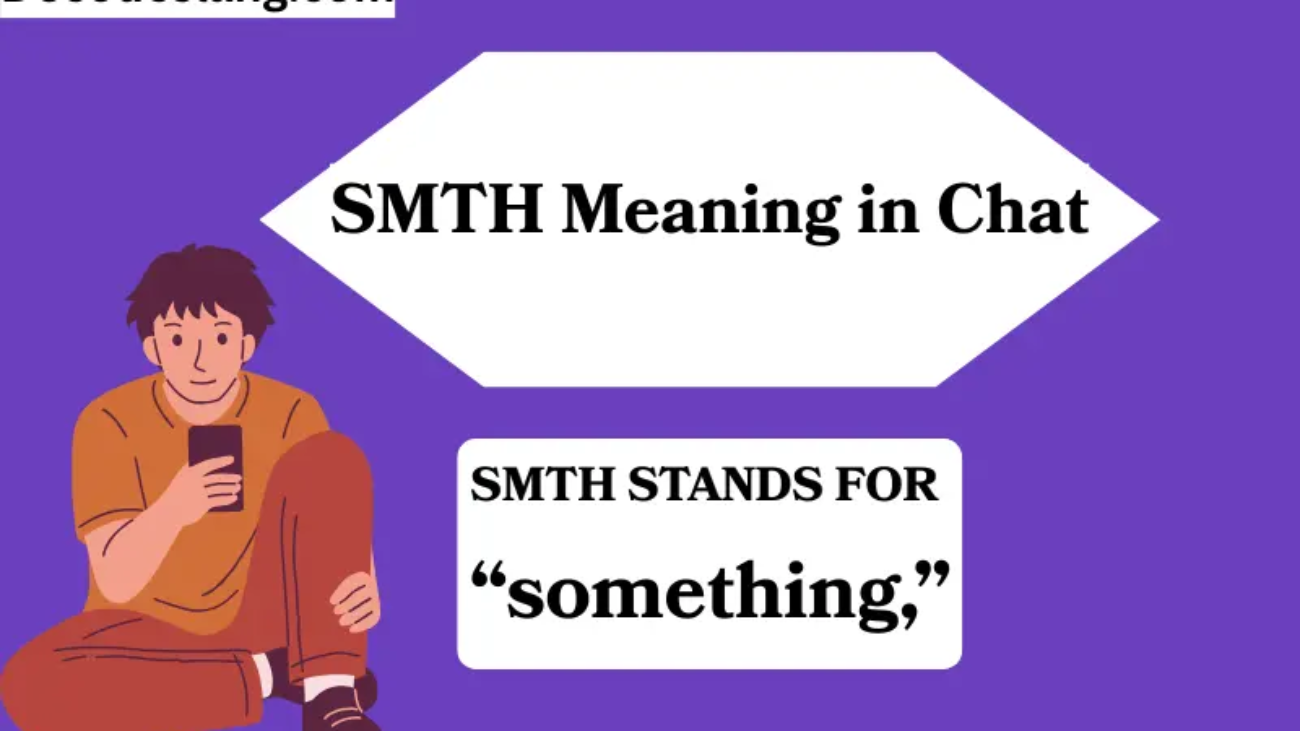
SMTH meaning in text stands for “something,” and it is one of the most commonly used abbreviations in modern digital communication, especially in texting and social media conversations. It is used when people want to shorten the word “something” to type faster and make their messages more efficient. For example, if someone writes “Tell me smth,” it simply means “Tell me something.” This abbreviation is widely understood among internet users and has become a natural part of everyday online conversations.

In today’s fast-paced digital world, communication happens instantly. People send messages while multitasking, working, studying, or even relaxing. Because of this, they prefer shorter forms of writing that help them respond quickly without losing meaning. SMTH perfectly fits into this communication style because it reduces typing effort while still keeping the message clear. However, even though SMTH is very useful in casual conversations, it is important to understand that it is not suitable for formal or professional communication. Its usage mainly belongs to informal digital language, where speed and simplicity are more important than grammar perfection.

What Does SMTH Mean in Text?

SMTH is an abbreviation of the word “something,” and it is used to replace the full word in informal conversations. The meaning remains exactly the same, but the structure is shortened for convenience. This makes SMTH extremely useful in texting situations where users want to communicate quickly without typing long words.

The main reason SMTH is popular is because it is simple and easy to understand. Unlike some slang terms that may have multiple meanings or require context, SMTH always refers to “something.” For example, when someone says “I need smth to eat,” it is immediately understood that they need something to eat. This clarity makes SMTH one of the most reliable abbreviations in digital communication. It helps users express thoughts quickly while maintaining the original meaning of the sentence.

Origin and Evolution of SMTH in Internet Language

The origin of SMTH can be traced back to early SMS texting culture when mobile phones had strict character limits. Users were forced to shorten words and phrases in order to fit their messages within a limited number of characters. This led to the creation of many abbreviations that are still used today, including SMTH.

Even though modern messaging apps no longer have character limits, people continue to use these abbreviations out of habit and convenience. Over time, SMTH became part of internet slang and is now widely recognized across different platforms. It represents how language evolves based on technology and user behavior. As communication continues to become faster and more digital, abbreviations like SMTH remain relevant and widely used.

How SMTH Is Used in Daily Conversations

SMTH is used in the same way as the word “something” in normal sentences, but it appears in informal writing. It can be used in questions, statements, and expressions without changing the structure of the sentence. This flexibility makes it extremely useful in everyday conversations.

For example, someone might say “Did you see smth strange?” when asking about an unusual event. Another example is “I feel like smth is missing,” which expresses a sense of uncertainty or concern. In both cases, SMTH replaces the full word but keeps the meaning intact. This allows users to communicate naturally while saving time and effort.

SMTH in Social Media Platforms

SMTH is widely used across social media platforms such as Instagram, Snapchat, TikTok, Facebook Messenger, and WhatsApp. These platforms are designed for fast communication, where users prefer short and simple messages instead of long paragraphs. SMTH fits perfectly into this environment because it allows users to express thoughts quickly.

On social media, SMTH is often used in captions, comments, and direct messages. For example, a user might write “Need smth new” in a caption or comment “Say smth funny” on a video. This shows how deeply integrated SMTH has become in online communication culture. It is not just a shortcut but a part of modern digital expression.

Why People Use SMTH Instead of Writing “Something”

There are several reasons why people prefer SMTH over the full word “something.” The most important reason is speed. Typing fewer letters saves time, especially during fast conversations. In digital communication, where responses are expected quickly, this time-saving feature is extremely valuable.

Another reason is convenience. People often chat while doing other activities, so shorter messages are easier to type and send. SMTH also gives messages a casual and relaxed tone, which is preferred in informal conversations. It makes communication feel more natural and less strict compared to formal writing.

Advantages of Using SMTH in Texting

SMTH offers many advantages in digital communication. One of the biggest benefits is efficiency. It allows users to type messages faster without losing meaning. This is especially useful in real-time conversations where quick responses are needed.

Another advantage is readability. Shorter messages are easier to read and understand, especially on mobile devices. SMTH also helps maintain a friendly and informal tone, which is suitable for personal conversations and social media interactions. These advantages make it a practical tool for everyday communication.

Disadvantages of Using SMTH

Although SMTH is useful, it also has some disadvantages. One major issue is that it is informal and not suitable for professional communication. Using abbreviations like SMTH in business emails or academic writing can make the message appear unprofessional.

Another disadvantage is potential misunderstanding. While many people understand SMTH, not everyone is familiar with internet slang. This can create confusion in certain situations. Overusing abbreviations can also make messages harder to read and reduce clarity.
Importance of Context in SMTH Usage

Context plays a very important role in understanding SMTH correctly. Although it always means “something,” the exact meaning depends on the sentence. For example, “I want smth to eat” expresses a need, while “Is there smth wrong?” expresses concern.

Understanding context ensures accurate communication. Even though SMTH is simple, using it without proper context can sometimes lead to confusion. That is why users should always consider the situation before using abbreviations in conversation.

Real-Life Examples of SMTH Usage

In real conversations, SMTH is used in many different ways. For example, “I forgot smth important” shows that something has been forgotten. Another example is “Let’s do smth fun,” which expresses a desire for an activity.

These examples show how flexible SMTH is in communication. It can be used in emotional, casual, or informational contexts without changing its meaning. This flexibility makes it one of the most useful abbreviations in texting language.

SMTH vs Full Word “Something”

There is a clear difference between using SMTH and the full word “something.” The full word is more formal and suitable for professional communication, while SMTH is informal and used in casual conversations.

For example, in a business email, writing “something important” is appropriate, but writing “smth important” would be incorrect. However, in casual chats, SMTH is preferred because it is faster and more relaxed. Understanding this difference helps users choose the right style of communication.

Summary Table 

When and When Not to Use SMTH

SMTH should be used in informal situations such as chatting with friends, social media conversations, and casual texting. It works best where relaxed language is acceptable and expected.

However, it should not be used in formal communication such as emails, academic writing, job applications, or professional reports. In these cases, the full word “something” should always be used to maintain clarity and professionalism.

SEE ALSO; GTG Meaning in Text;What It Really Means in Chat

FAQs

What does SMTH mean in text?
SMTH means “something” and is used as a short form in texting.

Is SMTH formal or informal?
It is informal and used only in casual conversations.

Can SMTH be used in professional writing?
No, it is better to avoid SMTH in formal communication.

Why do people use SMTH?
People use SMTH to save time and type faster.

Is SMTH widely understood?
Yes, especially among people familiar with internet slang.

Conclusion

In conclusion, SMTH is a widely used internet abbreviation that stands for “something.” It is an important part of modern digital communication because it helps users type faster and communicate more efficiently. While it is very useful in casual conversations, it should be used carefully in formal situations.
Understanding SMTH and its correct usage can significantly improve communication skills and make online conversations smoother, faster, and more natural.

GTG Meaning in Text (1)

GTG Meaning in Text;What It Really Means in Chat

 GTG meaning in text stands for “Got To Go,” and it is one of the most commonly used abbreviations in digital communication. People use GTG when they want to quickly inform someone that they need to leave a conversation, either temporarily or permanently. For example, when someone types “GTG, talk later,” they are politely ending the conversation while also indicating that they may continue it later. This abbreviation is widely used because it is short, simple, and easy to understand, making it perfect for fast-paced texting environments.

In today’s digital world, communication has become quicker and more efficient than ever before. People often multitask while chatting, switching between apps, work, and personal activities. Because of this, there is a strong need for short expressions that can deliver clear messages without requiring long explanations. GTG fits perfectly into this need, as it allows users to exit conversations quickly while still maintaining politeness. Instead of leaving a chat abruptly, which can feel rude, using GTG shows respect for the other person and helps maintain a positive tone in communication.

What Does GTG Mean in Text?

GTG is an abbreviation that directly replaces the phrase “got to go,” and it is used to indicate that the sender is leaving a conversation. The meaning is very straightforward, which makes it one of the easiest texting abbreviations to understand. Unlike some slang terms that have multiple interpretations, GTG almost always carries the same meaning, which reduces the chances of confusion.

One of the reasons GTG is so popular is because of its simplicity. It allows people to communicate their intention clearly without needing to explain their situation in detail. For instance, instead of writing “I have to leave now because I have something important to do,” a person can simply write “GTG,” and the message will still be understood. This efficiency makes GTG a valuable tool in modern communication, where speed and clarity are highly important.

The Evolution of GTG in Digital Language

The abbreviation GTG did not appear overnight; it developed as part of the broader evolution of internet slang. In the early days of online chat rooms and messaging platforms, users began shortening common phrases to save time and effort. Over time, these abbreviations became standardized and widely accepted across different platforms.

GTG is one of those abbreviations that has stood the test of time. While many slang terms come and go, GTG has remained popular because its meaning is simple and universally useful. As communication platforms have evolved from basic messaging services to advanced social media apps, GTG has continued to be relevant. This shows how certain abbreviations become deeply embedded in digital culture due to their practicality and ease of use.

How GTG Is Used in Conversations

In everyday conversations, GTG is typically used at the end of a message to signal that the sender is about to leave. It can also be used as a standalone message when someone needs to exit quickly. The way it is used often depends on the situation and the level of politeness the sender wants to convey.

For example, in a casual chat between friends, someone might simply write “GTG” and leave the conversation. However, in a more thoughtful interaction, they might say “GTG, talk later” or “Sorry, GTG now,” which sounds more polite and considerate. This flexibility allows GTG to be adapted to different communication styles. It can be brief and direct when necessary, or slightly more detailed when the situation calls for a softer tone.

GTG in Social Media and Online Platforms

GTG is widely used across various social media platforms and messaging apps, including WhatsApp, Instagram, Snapchat, and Facebook Messenger. Its popularity comes from the fact that it fits perfectly into the fast-paced nature of these platforms, where users expect quick and efficient communication.

In addition to personal chats, GTG is also commonly used in online gaming communities. Players often use it to inform their teammates that they are leaving the game. This helps maintain coordination and prevents confusion among other players. The use of GTG in different contexts shows its versatility and importance in modern digital communication.

Differences Between GTG and Similar Abbreviations

GTG is often compared with other abbreviations that are used to end or pause conversations. For example, “BRB” stands for “Be Right Back,” which indicates that the person will return shortly. On the other hand, “TTYL” means “Talk To You Later,” which suggests that the conversation will continue at another time.

While these abbreviations are similar, GTG is more direct because it clearly indicates that the person is leaving immediately. It does not necessarily imply whether they will return soon or later. Understanding these differences can help you choose the most appropriate abbreviation based on the situation and your intention.

Advantages of Using GTG

One of the main advantages of GTG is that it saves time. In fast-paced conversations, typing long sentences can slow things down, so using a short abbreviation makes communication more efficient. It also helps keep messages concise and easy to read, which is important in digital communication where attention spans are often limited.

Another advantage is that GTG helps maintain politeness. Ending a conversation without any explanation can seem rude, but using GTG shows that you are leaving intentionally. This small detail can improve how your message is perceived and help maintain positive relationships with others.

Disadvantages of Using GTG

Despite its usefulness, GTG has some disadvantages. One of the main issues is that it is informal and may not be suitable for professional or academic communication. Using it in formal contexts can make your message appear less serious or unprofessional.

Another disadvantage is that GTG can sometimes feel abrupt if used without additional context. For example, sending only “GTG” may come across as rushed or dismissive. To avoid this, it is often better to include a polite phrase along with it. This ensures that your message is clear and respectful.

The Importance of Context When Using GTG

Context plays a crucial role in how GTG is understood. While the abbreviation itself has a fixed meaning, the tone of the message can vary depending on how it is used. For example, “GTG, bye!” sounds friendly and polite, while “GTG” alone may feel more direct.

The relationship between the people involved also affects how GTG is perceived. Close friends may not mind a short message, while in more formal or distant relationships, a more detailed explanation may be expected. Understanding these nuances can help you use GTG more effectively.

Real-Life Examples of GTG Usage

In real-life conversations, GTG is used in many different ways. For example, a student might say, “GTG, I have to study,” while a professional might say, “GTG, meeting starting now.” In casual chats, someone might simply say, “GTG, bye.”

These examples show how flexible GTG is and how it can be adapted to different situations. The meaning remains the same, but the tone can change depending on the additional words used. This flexibility is one of the reasons why GTG is so widely used.
Summary Table 

SEE ALSO; ASF Meaning in Chat;What It Really Means in Chat

FAQs 

What does GTG mean in text?

GTG means “Got To Go,” and it is used when someone needs to leave a conversation.

Is GTG formal or informal?

GTG is informal and is mainly used in casual conversations.
Can GTG be used in professional communication?

It is better to avoid GTG in formal communication and use full sentences instead.

Why is GTG so popular?

GTG is popular because it is simple, quick to type, and widely understood.

What is the difference between GTG and BRB?

GTG means leaving, while BRB means you will return shortly.

Conclusion

In conclusion, GTG is a simple yet powerful abbreviation that has become an essential part of modern digital communication. It stands for “Got To Go” and helps people end conversations quickly and politely. Its ease of use, clarity, and wide recognition make it one of the most commonly used texting abbreviations today.

By understanding its meaning, variations, and proper usage, you can use GTG more effectively in your daily conversations. Whether you are chatting with friends or communicating online, using GTG correctly can help you maintain both efficiency and politeness in your communication.
ASF Meaning in Text

ASF Meaning in Chat;What It Really Means in Chat

 ASF meaning in chat usually stands for “As F*ck,” and it is used to add strong emphasis to a sentence. People commonly use it at the end of a statement to show intensity, such as extreme feelings, reactions, or opinions. For example, when someone writes “I’m tired asf,” they are expressing that they are extremely tired. The abbreviation helps make the message more powerful without adding extra words.
In today’s digital communication, slang like ASF has become a normal part of texting and social media conversations. It allows users to communicate quickly while still expressing emotions clearly. However, because ASF includes informal language, it is mostly used in casual settings and should be avoided in professional or formal communication. Understanding how and when to use ASF is important for effective and appropriate communication.
What Does ASF Mean in Chat?

ASF is an abbreviation that functions as an intensifier in sentences. Instead of changing the meaning of a sentence, it strengthens the emotion or description being expressed. It is not usually used on its own but is added at the end of phrases to emphasize how strongly someone feels about something.

For example, if someone says “This food is good,” the statement is simple and neutral. But when they say “This food is good asf,” the meaning becomes much stronger, showing that they really enjoyed the food. This ability to enhance expression is what makes ASF so popular in online conversations.
The Role of ASF in Modern Communication

In modern communication, especially on digital platforms, people often look for ways to express themselves quickly without losing emotional depth. ASF plays an important role in this by acting as a shortcut for strong expression. Instead of writing longer sentences like “I am extremely excited,” users can simply say “I’m excited asf,” which delivers the same feeling in fewer words.
This reflects a broader trend in internet culture where efficiency and emotional clarity are both valued. Abbreviations like ASF help bridge the gap between speed and expression, making conversations feel more natural even in text form. As a result, ASF has become a common part of everyday language for many users.
How ASF Is Used in Conversations

ASF is typically placed at the end of a sentence to intensify the meaning. It is commonly used to describe emotions, situations, or opinions. The abbreviation does not change the basic structure of a sentence but adds a layer of emphasis that makes the message stronger and more expressive.

For instance, when someone says “I’m bored asf,” they are not just stating boredom but emphasizing that they are extremely bored. Similarly, “This game is fun asf” shows a high level of enjoyment. The placement of ASF at the end keeps the sentence simple while still making the message impactful.

Emotional Expression Through ASF

One of the main reasons ASF is widely used is its ability to convey strong emotions. In text-based communication, it can sometimes be difficult to express tone and feeling. ASF helps solve this problem by clearly showing intensity.

For example, excitement, frustration, happiness, and even anger can all be expressed more clearly with ASF. A message like “I’m happy” may sound calm, but “I’m happy asf” communicates a much stronger emotional state. This makes conversations feel more real and engaging, especially when facial expressions and voice tone are absent.

Where ASF Is Commonly Used

ASF is most commonly seen on social media platforms and messaging apps. It is frequently used in conversations on WhatsApp, Instagram, Snapchat, TikTok, and Twitter. These platforms encourage quick and informal communication, making them ideal for slang usage.

It is particularly popular among younger users who are familiar with internet culture and prefer expressive yet concise language. However, its use is not limited to any one group, as many people adopt slang terms over time to keep up with communication trends.

Advantages of Using ASF

Using ASF in chat offers several advantages. One of the biggest benefits is that it allows users to express strong emotions quickly. Instead of typing long sentences, people can convey intensity with just a short abbreviation. This makes communication faster and more efficient.

Another advantage is that it adds personality to messages. Conversations that include ASF often feel more lively and engaging compared to plain text. It helps create a sense of connection and relatability, especially in friendly or informal discussions. By adding emphasis, ASF makes messages more memorable and impactful.

Disadvantages of Using ASF

Despite its usefulness, ASF also has some drawbacks. One major issue is that it contains strong language, which may not be appropriate in all situations. Some people may find it offensive or uncomfortable, especially in more formal or respectful conversations.

Another disadvantage is that overusing slang like ASF can make communication less clear. If every sentence includes strong emphasis, the impact of the message may be reduced. Additionally, people who are not familiar with internet slang may not understand what ASF means, leading to confusion or misinterpretation.

Understanding ASF Based on Context

Context plays a crucial role in understanding ASF. While the abbreviation itself always acts as an intensifier, the exact meaning depends on the sentence it is used in. The emotion being expressed changes depending on the words around it.

For example, “I’m tired asf” expresses exhaustion, while “This party is lit asf” expresses excitement. The abbreviation remains the same, but the emotion changes based on context. This flexibility is what makes ASF both useful and important to understand properly.

Examples of ASF in Daily Conversations

In everyday conversations, ASF is used in a variety of ways to express different emotions. A message like “I’m hungry asf” shows strong hunger, while “That movie was funny asf” expresses intense amusement. Similarly, “I’m stressed asf right now” communicates a high level of stress.

These examples show how ASF can be applied to different situations without changing its function. It always serves as an intensifier, making the message stronger and more expressive. This consistent role makes it easy to use once you understand its purpose.

Summary Table 

When and When Not to Use ASF

ASF is best used in informal settings where casual language is acceptable. It works well in conversations with friends, social media posts, and relaxed online chats. In these situations, it helps make communication more expressive and engaging.

However, it should be avoided in formal environments such as professional emails, academic writing, or workplace communication. Using ASF in such contexts can make the message seem unprofessional or inappropriate. Choosing the right setting is essential for effective communication.

Tips for Using ASF Correctly

To use ASF effectively, it is important to consider your audience and the situation. If you are talking to close friends or people who understand slang, using ASF can make your message more engaging. However, if you are unsure whether the other person is comfortable with such language, it is better to avoid it.

It is also important to use ASF in moderation. While it can add emphasis, overusing it can reduce its impact and make your messages seem repetitive. By using it carefully and appropriately, you can enhance your communication without causing confusion.

SEE ASLO; MW Meaning in Text: What It Really Means in Chat

FAQs 

What does ASF mean in chat?

ASF means “As F*ck” and is used to add strong emphasis to a sentence.

Is ASF appropriate for all conversations?

No, ASF is informal and should only be used in casual conversations.

Why do people use ASF?

People use ASF to express strong emotions quickly and clearly.

Can ASF be misunderstood?

Yes, especially if the reader is not familiar with slang or informal language.

Is ASF commonly used on social media?

Yes, it is widely used on platforms like Instagram, Snapchat, and TikTok.

Conclusion

In conclusion, ASF is a powerful and widely used slang abbreviation that helps people express strong emotions in a quick and effective way. It stands for “As F*ck” and is mainly used in casual conversations to add emphasis to statements. While it is highly useful in informal communication, it should be used carefully to avoid misunderstandings or inappropriate usage.

By understanding how ASF works and paying attention to context, you can use it confidently and improve your ability to communicate in modern digital conversations.

MW Meaning in Text

MW Meaning in Text: What It Really Means in Chat

MW meaning in text usually stands for “My Way” or “My World,” depending on the context of the conversation. In some situations, it can also refer to “Megawatt,” especially in technical discussions related to electricity or power. Because MW has more than one meaning, it is important to understand how it is used in a sentence before deciding its correct interpretation.

In today’s fast-moving digital world, people prefer short forms and abbreviations to communicate quickly. Terms like MW are commonly used in texting, social media chats, and online conversations to save time and make communication easier. However, since such abbreviations can have multiple meanings, they can sometimes create confusion. This article will explain all meanings of MW in detail, along with examples, usage tips, a summary table, and FAQs to help you fully understand this texting slang.

What Does MW Mean in Text?

MW is a flexible abbreviation that is widely used in informal communication. Unlike abbreviations that have a fixed meaning, MW can represent different phrases depending on the situation in which it is used. This makes it both useful and slightly confusing at the same time.

For example, when someone uses MW in a casual chat, it often means “my way,” indicating their personal preference or decision. In more emotional conversations, it may mean “my world,” expressing importance or affection. On the other hand, in a completely different setting like a technical discussion, MW can stand for “megawatt,” which is a unit of power. Because of this variety, understanding MW always depends on context, tone, and the nature of the conversation.

Common Meanings of MW Explained

MW as “My Way”

One of the most common meanings of MW is “My Way.” This usage is popular in everyday conversations where people are expressing their personal choices or opinions. When someone says they want to do something “MW,” it means they prefer to handle things according to their own method or style.

This expression is often used in friendly discussions, planning situations, or even light arguments where someone wants to take control of a situation. For example, if two friends are deciding how to complete a task and one says, “Let’s do it MW,” it shows their desire to approach the task in their own way. This meaning is simple, direct, and commonly understood in casual chats.

MW as “My World”

Another widely used meaning of MW is “My World.” This interpretation is more emotional and is usually seen in personal or romantic conversations. When someone refers to a person as “MW,” they are expressing that the person is very important to them.

For instance, in a message like “You are MW,” the sender is showing affection and emotional attachment. This meaning is commonly used between close friends, partners, or family members. It adds a deeper emotional tone to the conversation and is often accompanied by emojis or other expressions of care.

MW as “Megawatt”

In a completely different context, MW can stand for “Megawatt,” which is a unit used to measure electrical power. This meaning is not related to casual texting but may appear in discussions related to science, engineering, or technology.

For example, in a sentence like “The power plant produces 500 MW,” the abbreviation clearly refers to energy production. While this meaning is less common in everyday chats, it is important to recognize it when dealing with technical or academic content.

MW as a Personal or Custom Meaning

In some cases, MW can also have a unique or personal meaning between individuals. Friends or specific groups may use it as a code, nickname, or abbreviation that only they understand. This type of usage depends entirely on the relationship and shared understanding between the people involved.

Because this meaning is not universal, it can be confusing for outsiders. If you come across MW in such a context, it is best to ask the sender directly for clarification instead of making assumptions.

Understanding MW Based on Context

Understanding the meaning of MW requires careful attention to context. Since the abbreviation has multiple interpretations, the surrounding words and tone of the conversation play a major role in determining its meaning.

For example, a sentence like “I’ll handle it MW” clearly suggests “my way,” while “You mean everything to me, you are MW” indicates “my world.” Similarly, a technical sentence mentioning numbers or power output will most likely refer to “megawatt.” By analyzing the situation and the intent behind the message, you can easily identify the correct meaning.

Where Is MW Commonly Used?

MW is most commonly used in informal communication platforms such as WhatsApp, Instagram, Snapchat, and SMS. These platforms encourage quick and efficient messaging, which is why abbreviations like MW are popular.

It is especially common among younger users who are familiar with texting slang and prefer short forms over full sentences. However, its usage is not limited to a specific age group, as many people adopt such abbreviations for convenience. Despite its popularity in casual settings, MW is rarely used in professional or academic communication.

Advantages of Using MW

One of the main advantages of using MW is that it saves time and effort. Instead of typing full phrases like “my way” or “my world,” users can simply write two letters and still convey their message. This makes conversations faster and more efficient.

Another benefit is that it adds a modern and casual tone to communication. Using abbreviations like MW can make conversations feel more relaxed and friendly. It also helps people stay updated with current texting trends, which is important in today’s digital culture.

Disadvantages of Using MW

Despite its convenience, MW has some drawbacks. The biggest issue is confusion. Since it has multiple meanings, the receiver might misunderstand the message if the context is not clear. This can lead to miscommunication, especially in important conversations.

Another disadvantage is that MW is not suitable for formal communication. Using such slang in professional emails or academic writing can make the message appear unclear or unprofessional. Additionally, not everyone is familiar with texting abbreviations, which can create a communication gap between different groups of people.

Examples of MW in Text

To better understand how MW is used, it is helpful to look at real-life examples. In a casual conversation, someone might say, “Let’s do it MW this time,” which clearly means they want things done their way. In a more emotional context, a message like “You are MW” expresses deep affection and importance.

In a technical discussion, a sentence such as “The system produces 300 MW of energy” refers to megawatts, showing a completely different meaning. These examples highlight how the same abbreviation can change meaning based on context, making it important to read messages carefully.

Summary Table

AbbreviationFull FormMeaning DescriptionExample Sentence
MWMy WayDoing something in your own way“Let’s do it MW.”
MWMy WorldSomeone very important“You are MW.”
MWMegawattUnit of electrical power“The plant produces 200 MW.”
MWCustom UsePersonal or private meaning“That’s MW code.”

When and When Not to Use MW

MW is best suited for informal communication where the tone is casual and relaxed. It works well in chats with friends, social media conversations, and personal messages where both parties understand texting slang. In such environments, using MW can make communication quicker and more engaging.

However, MW should be avoided in formal situations. In professional emails, academic assignments, or official communication, it is always better to use full words instead of abbreviations. This ensures clarity and maintains a professional tone, which is important in such contexts.

Tips for Using MW Correctly

To use MW effectively, it is important to ensure that the meaning is clear from the context. If there is any chance of confusion, it is better to use the full phrase instead of the abbreviation. Clear communication should always be the priority.

It is also important to consider the person you are communicating with. If they are not familiar with texting slang, using MW may lead to misunderstanding. In such cases, using simple and direct language is a better option. By being mindful of context and audience, you can use MW more effectively in your conversations

SEE ALSO; NF Meaning in Text: What It Means and How to Use

FAQs

What does MW mean in texting?

MW usually means “My Way” or “My World,” depending on how it is used in the conversation.

Is MW commonly used in chats?

Yes, MW is commonly used in informal chats and social media conversations.

Can MW have different meanings?

Yes, it can also mean “Megawatt” or have a personal meaning based on context.

Is MW suitable for professional communication?

No, MW is informal and should not be used in formal or professional writing.

How can I understand the correct meaning of MW?

You can understand it by looking at the sentence, tone, and overall context of the conversation.

Conclusion

In conclusion, MW is a versatile texting abbreviation that can mean “My Way,” “My World,” or even “Megawatt” depending on the context. Its flexibility makes it useful in casual communication, but it also requires careful understanding to avoid confusion. While it is a great tool for quick and modern conversations, it should always be used appropriately based on the situation.

By learning its meanings and paying attention to context, you can use MW confidently and improve your communication in today’s digital world.

NF Meaning in Text

NF Meaning in Text: What It Means and How to Use

NF meaning in text usually stands for “Not Funny.” It is used when someone does not find a joke, meme, or message funny. In simple words, if a person replies with “NF,” they are saying they didn’t laugh or enjoy what was shared. However, NF can also have other meanings depending on the situation, so understanding the context is important.

In today’s fast digital world, people prefer short and quick communication. Instead of typing long sentences, they use abbreviations like NF to express reactions instantly. This makes chatting faster, but it can also create confusion if you don’t know the meaning. That’s why learning terms like NF is important for anyone who uses social media or messaging apps.

What Does NF Mean in Texting?

In most cases, NF means “Not Funny.” It is a quick way to respond to something that was meant to be funny but didn’t make you laugh.

Instead of writing “That was not funny,” people just type NF. It saves time and keeps the conversation short.

For example, if a friend sends a joke and you reply “NF,” you are simply saying you didn’t find it funny.

NF Explained in the Simplest Way

Let’s understand it in the easiest way.

Imagine your friend tells a joke, and you don’t laugh. Instead of explaining a lot, you just say, “That wasn’t funny.”

In texting, this becomes NF.

So, NF is just a short and quick reaction.

Why Do People Use NF?

People use NF because it is simple and fast. In online chats, everyone wants to reply quickly without typing long messages.

It also clearly shows your reaction. Just two letters are enough to express your feeling.

Another reason is habit. Many people are used to using short forms, so they naturally use NF instead of full sentences.

Tone Matters When Using NF

Tone is very important when using NF.

In some cases, it can sound funny and playful. But in other situations, it may sound rude or harsh.

For example, if you use NF with close friends, it may be taken as a joke. But if you use it with someone you don’t know well, it might hurt their feelings.

That’s why it’s important to think before using it.

Common Situations Where NF Is Used

NF is mostly used in casual chats.

You will often see it when someone shares a meme, joke, or funny video, and the other person doesn’t find it funny.

It is also used in group chats where people react quickly to messages.

Sometimes, friends use NF in a teasing way, not seriously.

Different Meanings of NF in Text

Even though “Not Funny” is the most common meaning, NF can have other meanings too.

NF = No Filter

On social media, NF can mean No Filter, showing that a photo or video is real and not edited.

NF = Not Finished

In school or work, NF can mean Not Finished, indicating that a task is incomplete.

NF = Music Artist

NF is also the name of a famous rapper. If someone mentions NF in a music discussion, they are likely talking about the artist.

So, context is very important.

How to Understand the Correct Meaning of NF

Understanding NF is easy if you look at the sentence.

If it comes after a joke, it means Not Funny.

If it appears in a different situation, like work or social media, it may mean something else.

For example:

  • “That joke was NF” → Not Funny
  • “My assignment is NF” → Not Finished

When Should You Use NF?

NF is best used in casual conversations.

You can use it with friends, in group chats, or on social media.

However, you should avoid using it in formal communication like emails or professional messages.

When You Should Avoid Using NF

There are situations where using NF is not a good idea.

In formal writing, it looks unprofessional.

In serious conversations, it may sound disrespectful.

Also, if the other person is sensitive, it might hurt their feelings.

Common Mistakes People Make

One mistake is using NF without thinking about tone.

Another mistake is assuming everyone understands it.

Some people also use it in the wrong context, which can confuse others.

Being careful with usage can help avoid these problems.

Better Alternatives to NF

If you don’t want to sound rude, you can use softer responses.

You can say things like “I didn’t get it” or “That wasn’t really funny.”

These responses sound more polite and friendly.

Benefits of Using NF

NF is quick and easy to use.

It saves time and clearly shows your reaction.

It also makes chatting more fun and casual.

Drawbacks of Using NF

NF can sometimes sound rude.

It may create misunderstandings.

Not everyone understands abbreviations, which can lead to confusion.

NF in Social Media Culture

NF is part of modern internet culture.

People use it to react quickly to content.

It is especially common in meme culture, where reactions are fast and direct.

Understanding such terms helps you stay connected with online trends.

How NF Is Used in Different Platforms

On WhatsApp, NF is used in personal chats.

On Instagram, it may appear in comments or DMs.

On TikTok, people may use it to react to videos.

In gaming chats, it is used for quick reactions.

Tips for Using NF Properly

Use NF with people who understand your tone.

Avoid using it in serious situations.

Add emojis if you want to make it sound lighter.

Always think about how the other person will feel.

Real-Life Examples of NF

“Your joke was NF” → direct reaction
“NF bro” → playful tone
“That meme is NF” → not funny

A Short Story About NF

Ali sent a funny video to his friend Sara.

Sara replied, “NF.”

Ali felt a bit upset at first.

Later, Sara explained she was just joking.

After that, both understood that tone matters when using NF.

Why Learning Texting Slang Is Important

Texting slang is part of modern communication.

Understanding it helps you reply faster and avoid confusion.

It also makes you feel more confident while chatting online.

Future of Texting Abbreviations

Short forms like NF will continue to grow.

New terms will appear as communication evolves.

Learning them helps you stay updated.

See also: PM Meaning in Text

FAQs

1. What does NF mean in text?

NF usually means Not Funny.

2. What does NF mean in chat?

It shows that something is not funny.

3. Can NF have other meanings?

Yes, it can mean No Filter or Not Finished.

4. Is NF rude?

It can sound rude depending on tone.

5. Where is NF used?

It is used in chats, memes, and social media.

6. Can I use NF in formal writing?

No, it is not suitable for formal communication.

7. How do I know the meaning?

Look at the context of the sentence.

8. Is NF popular?

Yes, it is commonly used in casual chats.

Conclusion

NF meaning in text is simple but useful. It mostly stands for Not Funny and is used to react to jokes or messages.

However, it can have other meanings depending on context.

Once you understand how it works, you can use it easily in your chats. Just remember to use it carefully so it doesn’t sound rude

PM Meaning in Text

PM Meaning in Text: What It Really Means in Chat

PM Meaning in Text usually stands for “Private Message,” and it is used when someone wants to move a conversation from a public space to a private chat. It is one of the most common abbreviations in modern digital communication, especially on social media and messaging platforms.

In some situations, PM can also mean “Post Meridiem,” which refers to time after noon, but in texting and chat conversations, “Private Message” is the most common meaning.

In simple words, PM means “send me a message privately.”

What Does PM Mean in Text?

The most common meaning of PM in text is “Private Message.”

When someone uses PM in a message, they are asking to continue the conversation in a private chat instead of a public space.

For example:

“PM me your details.”

This means the person does not want the information shared publicly. They want you to send it directly to them in a private conversation.

PM helps keep communication:

  • Personal
  • Secure
  • Organized

It is widely used across almost all digital platforms.

PM Meaning in Very Simple Words

In very easy language, PM means:

“Talk to me privately.”

It is used when:

  • Information is personal
  • Details should not be public
  • The conversation is important

It is a simple way to move from public to private communication.

Breaking Down the Term “Private Message”

To understand PM better, let’s break it into two parts:

Private → Not for everyone to see
Message → A piece of communication

When combined, “Private Message” means a message that only two people can see.

This is different from:

  • Public comments
  • Group messages
  • Open discussions

PM gives control over who can see the conversation.

Other Meanings of PM (Context-Based)

PM is a short form, so it can have multiple meanings depending on the context.

However, in texting and social media, it almost always means “Private Message.”

Why People Use PM in Text Messages

There are many reasons why people use PM.

One of the biggest reasons is privacy. Not everything should be shared publicly, especially personal details like phone numbers, addresses, or sensitive information.

Another reason is clarity. Public conversations can get messy, especially in group chats or comment sections. Moving to PM helps keep the conversation focused.

PM is also used for convenience. Long discussions are easier to handle in a private chat rather than in a crowded public thread.

How PM Is Used in Daily Conversations

PM is used in very natural and simple ways.

People often use it when they want to:

  • Share private information
  • Continue a conversation
  • Avoid public discussion
  • Keep chats organized

It is usually written as:

“PM me”
“I’ll PM you”
“Check your PM”

These phrases are easy to understand and widely used.

PM in Different Situations

PM is not used in just one type of conversation. It appears in many everyday situations depending on what people need.

For example, in social media comments, PM is used to move a discussion away from public view. In group chats, it helps shift personal or detailed conversations into a private space. In online buying and selling, PM is often used to discuss prices or personal details.

Sometimes people also use PM when they want to avoid unnecessary attention or keep things simple between two people. This makes PM very flexible and useful in different communication styles.

PM in Messages

Here are detailed examples to make things clear:

These examples show how PM works in real communication.

PM in Social Media Platforms

PM is extremely common on social media platforms.

On platforms like Instagram and Facebook, people often start conversations in comments and then move to PM for private discussion.

For example:

“Interested, PM me.”

This means the seller wants buyers to message privately instead of discussing in comments.

PM helps keep interactions clean and personal.

PM vs DM (Difference Explained in Detail)

PM and DM are very similar, but there are small differences.

DM is more common on platforms like Instagram and Twitter, while PM is more universal.

Both mean the same thing: private communication.

PM in Personal Chats

In personal chats, PM is not always needed because the conversation is already private.

However, it may still be used when:

  • Switching from group chat to direct chat
  • Asking someone to message separately

PM in Group Chats

Group chats can become busy and crowded.

PM is useful when:

  • A topic becomes personal
  • Only two people need to talk
  • The conversation is too detailed

It helps keep the group chat clean.

PM in Online Marketplaces

PM is very common in buying and selling.

Sellers often say:

“PM for price”
“PM me if interested”

This keeps pricing and negotiations private.

PM in Professional Communication

In work settings, PM is sometimes used but usually replaced with more formal phrases.

Instead of saying “PM me,” professionals may say:

“Please message me directly”
“Let’s discuss this privately”

This keeps communication clear and professional.

Advantages of Using PM

PM has many benefits:

  • Keeps information private
  • Reduces clutter in public chats
  • Makes communication more focused
  • Helps avoid misunderstandings

It is a simple but powerful tool.

Disadvantages of Using PM

PM also has some limitations:

  • Can hide useful information from others
  • May slow down group communication
  • Can create confusion if overused

That is why it should be used wisely.

When Should You Use PM in Text?

You should use PM when:

  • Sharing personal information
  • Having a detailed conversation
  • Avoiding public discussion

It is best for private communication.

When You Should Not Use PM

Avoid using PM when:

  • The conversation is general
  • Information is helpful for everyone
  • Public discussion is better

Using PM unnecessarily can reduce transparency.

How to Reply When Someone Says PM

When someone asks you to PM them, the response is simple.

You should:

  • Open a private chat
  • Send your message

You can reply with:

“Okay, sending now.”
“Check your PM.”

Common Mistakes When Using PM

People sometimes make mistakes with PM.

Common issues include:

  • Not checking messages after asking for PM
  • Using PM without reason
  • Confusing PM with time

These mistakes can create confusion.

PM and Privacy in Digital Communication

PM plays a big role in privacy.

It allows people to control what they share and who can see it.

This is especially important in today’s digital world.

PM and Communication Efficiency

PM improves communication by making conversations more organized.

Instead of mixing everything in one place, it separates discussions.

This makes communication clearer and easier to manage.

How PM Improves Conversation Flow

PM helps improve the overall flow of communication.

In public chats or comment sections, too many replies can make conversations confusing. Important details can get lost between messages. By moving the discussion to PM, everything becomes more organized and easier to follow.

It also reduces distractions. Instead of replying in a crowded space, both people can focus on the conversation directly.

This makes communication smoother and more efficient.

PM in Online Communities and Forums

In online communities, PM is used for:

  • Asking questions
  • Sharing resources
  • Building connections

It helps create stronger one-to-one communication.

PM and Trust Building

Private conversations often feel more personal.

When people use PM, it creates a sense of trust and connection.

This is why many discussions move from public to private.

Why PM Feels More Personal

One important reason people prefer PM is because it feels more personal.

When a conversation moves from public to private, it creates a sense of direct connection between two people. It becomes easier to share thoughts, ask questions, and discuss details without worrying about others reading the conversation.

This personal feeling also helps build trust. People feel more comfortable sharing information when they know it is private.

That is why PM is commonly used when conversations become important or meaningful.

PM in Customer Support

Businesses also use PM.

For example:

“Please PM us your issue.”

This allows companies to handle problems privately and securely.

PM in Gaming and Online Interaction

Gamers use PM to:

  • Coordinate strategies
  • Talk privately
  • Share details

It helps them communicate without interrupting gameplay.

PM and Digital Etiquette

Using PM properly is part of good online behavior.

You should:

  • Respect privacy
  • Avoid spamming
  • Use it only when needed

This keeps communication respectful.

How PM Reflects Modern Communication Trends

PM shows how communication has evolved.

People now move between public and private conversations easily.

This flexibility is a key part of digital interaction.

See also: RN Meaning in Chat? What Does RN Really Mean?

FAQs

What does PM mean in text?
It means “Private Message.”

Is PM the same as DM?
Yes, both mean private messaging.

Can PM mean time?
Yes, it can mean “after noon.”

Is PM formal?
It is semi-formal.

Where is PM used?
In chats, social media, and online platforms.

Should I respond to PM requests?
Yes, if appropriate.

Conclusion

Now you clearly understand the PM Meaning in Text and how it is used.

PM is a simple but powerful abbreviation that allows people to move conversations into private spaces. It is widely used across social media, messaging apps, and online communities.

When used properly, it improves communication by keeping conversations organized, secure, and personal.

RN Meaning in Text

RN Meaning in Chat? What Does RN Really Mean?

RN meaning in chat is very simple and easy to understand: RN stands for “Right Now,” and it is used to show that something is happening at this exact moment. It is one of the most commonly used short forms in texting and online conversations, and it helps people communicate quickly without typing full sentences. Even though it is only two letters, it clearly tells the reader that the action or feeling is happening in the present time.

In today’s fast digital world, people prefer short and quick messages. Instead of writing long phrases like “I am busy right now,” they simply write “I am busy rn.” This makes chatting faster and more convenient. RN is widely used on apps like WhatsApp, Instagram, Messenger, Snapchat, and even in gaming chats. It has become a normal part of online communication, especially among young users who prefer informal language.

Understanding RN is important because it helps you read and write messages more easily. It also helps you keep up with modern chat language. In this article, you will learn everything about RN in a simple and clear way, including its meaning, usage, tone, examples, and tips for using it correctly.

Summary Table

What Does RN Mean in Chat?

RN is a short form that means “Right Now.” It is used in chat to describe something that is happening at the present moment. When someone uses RN, they are talking about what they are doing, feeling, or experiencing at that exact time.

For example, if someone says, “I am studying rn,” it means they are studying at this moment. If someone asks, “Where are you rn?” they are asking about your current location. This makes RN very useful in everyday conversations because it helps people share real-time information.

RN is simple, but it is very powerful because it clearly shows timing. It helps avoid confusion and makes communication faster and easier.

Full Form of RN Explained in Detail

The full form of RN is “Right Now.” This phrase means something that is happening immediately or at the present time without delay. In regular English, people use “right now” to show urgency or current activity.

In texting, this phrase is shortened to “rn” to save time and effort. This is part of a larger trend where people shorten words to make communication faster. Even though the phrase is shortened, the meaning remains exactly the same.

RN is a good example of how language changes in the digital world. It shows how people adapt their communication style to match fast and modern conversations.

Why Do People Use RN in Chat?

People use RN because it is quick, simple, and clear. In fast conversations, typing full sentences can take time, so short forms like RN help speed things up. It allows people to respond quickly without losing meaning.

Another reason people use RN is clarity. It clearly shows that something is happening at the present moment. Without RN, a sentence might feel incomplete or unclear about timing.

RN also makes conversations feel more natural and casual. It is commonly used among friends and in online chats where informal language is normal. It helps people sound relaxed and modern while communicating.

How RN Is Used in Messages

RN is usually used at the end of a sentence to describe a current activity. For example, someone might say, “I am watching TV rn,” which clearly shows what they are doing at the moment.

It can also be used in questions. For example, “What are you doing rn?” is a simple way to ask someone about their current activity. This makes RN very useful in starting conversations.

Sometimes, RN is used to show urgency. For example, “Come here rn” means the person wants someone to come immediately. In this case, RN adds a sense of importance to the message.

No matter how it is used, RN always refers to the present moment.

Real-Life Examples of RN

RN is used in many everyday situations. For example, someone might say, “I am feeling tired rn,” to describe their current mood. Another person might say, “I am eating rn,” to talk about what they are doing.

In conversations, people often ask questions like, “Are you free rn?” to check availability. This makes RN useful for making plans and starting chats.

RN is also used in quick replies. For example, if someone asks for help, a person might say, “I can’t talk rn,” to explain their situation. These examples show how RN is used in daily communication.

When Should You Use RN?

RN should be used in casual conversations where short forms are accepted. It is perfect for chatting with friends, family, or online communities. It helps make messages quick and easy to understand.

It is especially useful when talking about something happening at the present moment. Using RN correctly makes communication smoother and more natural.

When Should You NOT Use RN?

RN should not be used in formal communication such as job emails, professional messages, or academic writing. It may look unprofessional or too casual in such situations.

It is also important to avoid using RN with people who may not understand internet slang. In those cases, it is better to use full words like “right now.”

Understanding when not to use RN helps avoid confusion and keeps communication clear.

Emotional Tone of RN

RN usually has a neutral tone. It does not show strong emotions like anger or excitement. Instead, it simply shows time.

However, depending on how it is used, it can sometimes show urgency. For example, “I need help rn” sounds more urgent than a normal sentence.

The tone of RN depends on the context of the message.

RN vs Other Slang Words

RN is different from other slang words because it focuses on time. Words like LOL show laughter, and OMG shows surprise. RN, on the other hand, tells us when something is happening.

Using the correct slang word is important because it makes your message clear and meaningful. RN is best used when talking about the present moment.

Common Mistakes When Using RN

One common mistake is using RN in formal situations where it does not fit. Another mistake is assuming that everyone understands it. Some people may not be familiar with internet slang, which can cause confusion.

It is also important not to confuse RN with other meanings, such as “Registered Nurse.” In chat, RN usually means “Right Now,” but context is important.

Avoiding these mistakes will help you use RN correctly.

Advantages of Using RN

RN makes communication faster and easier. It helps people express current actions without typing long sentences. It also makes chats feel more modern and natural.

Disadvantages of Using RN

RN may not be understood by everyone, especially beginners. It can also look unprofessional in formal communication. Because of this, it should be used carefully.

FAQs

1. What does RN mean in chat?

It means “Right Now.”

2. Is RN common?

Yes, very common.

3. Can I use RN in emails?

No, it is informal.

4. When should I use RN?

In casual chats.

5. Does RN show time?

Yes, present time.

6. Is RN easy to use?

Yes, very easy.

7. Can RN show urgency?

Yes, sometimes.

8. Is RN popular?

Yes, widely used.

Conclusion

RN is a simple and useful slang word that means “Right Now.” It helps people communicate quickly and clearly in chats by showing what is happening at the present moment.

It is widely used in texting and social media because it saves time and makes conversations easier. However, it should be used carefully and only in informal situations.

By understanding RN, you can improve your communication and better understand modern chat language.

FFS Meaning in Text (1)

FFS Meaning Explained: How to Use It in Chat with Examples

FFS meaning in chat is very simple but very strong: FFS stands for “For F*’s Sake,” and it is used to show strong frustration, annoyance, or anger in a conversation.** Even though it is only three letters, it carries a powerful emotional meaning. People use it when they feel tired, irritated, or upset about something that is not going the way they expected.

In today’s fast digital world, people prefer short forms and abbreviations while chatting on platforms like WhatsApp, Instagram, Messenger, and many others. These short forms help save time and make communication quicker. At the same time, they also help express emotions more clearly. FFS is one such slang term that shows strong feelings in a very short way. Instead of writing a long sentence to explain frustration, people simply write FFS, and the message is understood immediately.

However, it is important to understand that FFS is not a polite or formal word. It comes from a phrase that includes a strong expression, so it should be used carefully. It is mostly used in casual conversations where people are comfortable with each other. In this article, you will learn everything about FFS in a simple and easy way, including its meaning, usage, tone, examples, and important tips.

Summary Table

What Does FFS Mean in Chat?

FFS is a popular slang word used in texting and online conversations. It stands for “For F***’s Sake,” and it is mainly used to express strong frustration or annoyance. When people use FFS, they are usually reacting to a situation that is bothering them or not going as expected.

For example, if someone says, “FFS, I forgot my keys again,” it shows that they are frustrated with themselves. In another situation, a person might say, “FFS, this internet is so slow,” which shows irritation about a problem they are facing. The purpose of using FFS is to make the emotion clear without writing a long explanation.

It is stronger than simple words like “annoyed” or “upset.” That is why it is mostly used when emotions are high.

Full Form of FFS Explained in Detail

The full form of FFS is “For F***’s Sake.” This phrase has been used in spoken English for many years to show frustration or anger. Because the phrase includes a strong word, people shorten it to FFS in texting. This makes it quicker to type and slightly less direct, but the emotional meaning still remains strong.

Even though it is written in short form, people understand its full meaning. It is a powerful expression, and that is why it should be used carefully. It is not suitable for formal situations, but it works well in casual chats where people understand slang and tone.

Understanding the full form helps you understand why FFS sounds strong and why it should be used in the right context.

Why Do People Use FFS in Chat?

People use FFS because it allows them to express strong emotions quickly and clearly. In texting, it is not always easy to show feelings, so short words like FFS help add emotion to messages. It makes communication faster and more expressive at the same time.

Another reason people use FFS is because it saves time. Writing a full sentence to explain frustration can take longer, but using FFS makes it simple. It is especially useful in moments when someone is reacting quickly to a situation, such as a mistake or a problem.

FFS is also commonly used when frustration happens again and again. For example, if something keeps going wrong repeatedly, people use FFS to show that they are tired of it. This makes the message stronger and more emotional.

How FFS Is Used in Messages

FFS can be used in different parts of a sentence depending on how a person wants to express their feeling. Most commonly, it is used at the beginning of a sentence. For example, “FFS, this app is not working” clearly shows frustration from the start.

It can also be used at the end of a sentence, such as “Why does this keep happening, FFS?” In this case, it adds emphasis and makes the sentence sound more emotional.

Sometimes, people even use FFS as a short reply when they are very annoyed. In such cases, the meaning is understood from the situation. No matter where it is used, the purpose remains the same—to show strong frustration.

Real-Life Examples of FFS

FFS is used in many everyday situations. For example, a student might say, “FFS, I forgot my homework,” when they realize their mistake. A gamer might say, “FFS, I lost again,” when they are frustrated after losing a game.

In daily life, someone might say, “FFS, I am late again,” when they are upset about being late. In another situation, a person might say, “FFS, this phone is not charging,” when facing a technical issue.

These examples show that FFS is used in many different contexts, but the main emotion is always frustration or annoyance.

When Should You Use FFS?

You should use FFS in casual conversations where people are comfortable with informal language. It is best used with friends or people who understand slang. It works well when you want to express frustration quickly and clearly without explaining everything in detail.

Using FFS in the right situation can make your message more expressive and relatable. It can also make conversations feel more natural and real, especially when people are reacting emotionally.

When Should You NOT Use FFS?

FFS should not be used in formal communication such as job emails, professional messages, or academic writing. It can sound rude or unprofessional in these situations.

It is also important to avoid using FFS with people you do not know well. They may not understand your tone and might find it offensive. In serious conversations, using FFS can make the situation worse, so it should be avoided.

Understanding when not to use FFS is very important for good communication.

Emotional Tone of FFS

The tone of FFS is usually strong and emotional. It often shows frustration, anger, or irritation. However, in some situations, especially with friends, it can be used in a slightly funny or dramatic way.

The meaning of FFS depends on the context. The same word can sound serious in one situation and playful in another. That is why it is important to understand tone before using it.

Difference Between FFS and Other Slang Words

FFS is different from other slang words because it specifically shows frustration. For example, OMG is used for surprise, and LOL is used for laughter. FFS, on the other hand, is used when something is annoying or frustrating.

Using the correct slang word helps make your message clear and accurate. Each word has its own purpose and emotion.

Common Mistakes When Using FFS

One common mistake is using FFS too often. This can make messages sound overly negative or aggressive. Another mistake is using it in situations where it is not appropriate, such as formal communication.

Some people also use FFS without understanding its strong tone, which can lead to misunderstandings. To avoid these mistakes, it is important to use FFS carefully and only when it fits the situation.

Advantages of Using FFS

FFS is helpful because it allows people to express strong emotions quickly. It saves time and makes messages more expressive. It is also widely understood in online communication, which makes it easy to use.

Disadvantages of Using FFS

FFS can sound rude or offensive if used incorrectly. It may create misunderstandings, especially with people who are not familiar with slang. It is also not suitable for formal communication, which limits where it can be used.

SEE ALSO; Cool Meaning in Chat: What It Really Means in Text Messages

FAQs

1. What does FFS mean in chat?

It means “For F***’s Sake.”

2. Is FFS rude?

It can be, depending on tone.

3. Can I use FFS in emails?

No, it is informal.

4. When should I use FFS?

In casual chats.

5. Is FFS common?

Yes, very common.

6. Does FFS show anger?

Yes, mostly.

7. Can FFS be funny?

Sometimes.

8. Is FFS easy to use?

Yes, but carefully.

Conclusion

FFS is a strong and expressive slang word used in chat to show frustration or annoyance. It stands for “For F***’s Sake” and is commonly used in informal conversations.

It is simple, quick, and powerful, but it should be used carefully because of its strong tone. When used correctly, it can make communication more clear and expressive.

COOL Meaning in Text

Cool Meaning in Chat: What It Really Means in Text Messages

In today’s digital world, communication has become faster, simpler, and more casual than ever before. With the rise of messaging apps, social media platforms, and instant chat systems, people no longer rely on long and detailed sentences to express their thoughts. Instead, they prefer short, quick, and easy words that can convey meaning without taking too much time. One such popular word is “cool.”

At first glance, the word “cool” might seem very basic, especially since its original meaning is related to temperature. However, in online communication, the cool meaning in chat has evolved into something much more flexible and powerful. It is now used to express agreement, approval, understanding, or even mild excitement depending on the situation.

Because of its versatility, “cool” has become one of the most commonly used words in digital conversations. Whether you are texting your friends, replying to someone on social media, or chatting in a group, chances are you use or see this word regularly. Understanding its meaning and usage can help you communicate more effectively and avoid confusion in conversations.

What Does Cool Mean in Chat?

The word “cool” in chat is commonly used as a quick and simple response that replaces longer phrases like “okay,” “that sounds good,” or “I understand.” It is a casual way of acknowledging a message without going into detail.

For example, if someone suggests a plan and you reply with “cool,” you are essentially saying that you agree with the plan and have no problem with it. This makes communication faster and smoother, especially in informal conversations where people prefer short replies.

However, the meaning of “cool” is not limited to agreement. It can also show that you like something, find it interesting, or simply want to acknowledge what someone has said. The exact meaning depends on the context, tone, and sometimes even punctuation.

For instance, “cool” without punctuation feels neutral, “cool!” feels more excited, and “cool…” may sound less interested. This shows that even a single word can carry different emotions in digital communication.

Cool as a Sign of Agreement

One of the most common uses of “cool” in chat is to show agreement. When someone shares a plan, suggestion, or idea, replying with “cool” indicates that you are okay with it. This type of response is very popular because it keeps conversations short and efficient.

Instead of writing a full sentence like “Yes, that works for me,” people simply type “cool.” This not only saves time but also makes the conversation feel more relaxed and informal.

For example, if a friend says, “Let’s meet at 6 PM,” and you reply with “cool,” it clearly communicates that you agree with the plan. There is no need for additional explanation.

This use of “cool” is especially common among younger users who prefer quick and casual communication. It helps maintain a friendly tone while avoiding unnecessary detail.

Cool as a Way to Show Approval

COOL Meaning in Text

Another important meaning of “cool” in chat is approval. When someone shares something interesting, exciting, or impressive, replying with “cool” shows that you like or appreciate it.

For instance, if someone tells you they bought a new phone or achieved something important, saying “cool” is a quick way to acknowledge their achievement. While it may not be as enthusiastic as saying “amazing” or “awesome,” it still conveys a positive reaction.

This makes “cool” a balanced response that is neither too emotional nor too plain. It allows you to stay supportive while keeping the conversation casual.

In many cases, people prefer using “cool” because it feels natural and effortless. It fits well in everyday conversations where strong emotional reactions are not always necessary.

Cool as a Casual Acknowledgment

In many situations, “cool” is used simply to acknowledge a message. It shows that you have read and understood what the other person said, even if you do not have much to add.

For example, if someone informs you about something small or routine, replying with “cool” is enough to keep the conversation polite. It avoids unnecessary back-and-forth while still maintaining communication.

This type of usage is very common in busy lifestyles where people want to respond quickly without engaging in long discussions. It allows conversations to continue smoothly without requiring too much effort.

Because of this, “cool” has become an essential part of modern texting habits, where efficiency and simplicity are highly valued.

Cool as a Conversation Ender

Another interesting use of “cool” in chat is as a conversation ender. It can be used to politely close a discussion without sounding rude or abrupt.

For example, if someone says they will talk to you later and you reply with “cool,” it signals that the conversation can end for now. It creates a natural and comfortable ending without the need for formal phrases.

This makes “cool” a very useful word in digital communication. It helps people manage conversations smoothly and avoid awkward pauses or unnecessary replies.

Using “cool” in this way keeps interactions friendly while allowing both parties to move on without any confusion.

Tone and Context Matter

Although “cool” is generally a positive word, its meaning can change depending on tone and context. Since text messages do not include facial expressions or voice tone, small details like punctuation and timing become very important.

For example, “cool!” feels energetic and excited, while “cool” feels neutral and relaxed. On the other hand, “cool…” might suggest disinterest or hesitation.

This means that the same word can have slightly different meanings based on how it is written. Understanding this can help you avoid misunderstandings and communicate more effectively.

It is always important to consider the situation and the relationship with the person you are talking to when using words like “cool.”

Why Is Cool So Popular in Chat?

The popularity of “cool” in chat comes from its simplicity and flexibility. It is a short word that can be used in many different situations, making it extremely convenient for quick communication.

In today’s fast-paced world, people prefer messages that are easy to type and easy to understand. “Cool” fits perfectly into this style of communication. It allows users to respond quickly without losing meaning.

Another reason for its popularity is its casual tone. It does not sound too formal or too emotional, which makes it suitable for everyday conversations. Whether you are talking to friends, classmates, or even coworkers in informal settings, “cool” works well.

Because of these qualities, “cool” has become a universal expression in digital communication.

Real-Life Examples of Cool in Chat

In everyday conversations, “cool” is used in many different ways depending on the situation. For example, if someone invites you to an event and you reply with “cool,” it shows that you are interested or okay with the plan.

If a friend shares good news, replying with “cool!” shows a positive reaction. Similarly, if someone gives you information and you respond with “cool,” it simply means you have understood the message.

In group chats, “cool” is often used to keep the conversation flowing without adding unnecessary detail. It helps maintain a smooth and natural communication style.

These examples show how flexible and useful the word “cool” is in chat.

When Should You Use Cool?

You can use “cool” in most casual conversations where a quick and simple response is appropriate. It works well when you want to agree, acknowledge, or show mild approval.

However, it is important to be careful when using it in formal or professional settings. In such cases, more formal words like “okay,” “noted,” or “understood” may be more appropriate.

Using “cool” correctly depends on understanding the situation and the tone of the conversation. When used properly, it can make your communication feel natural and friendly.

Common Mistakes to Avoid

While “cool” is easy to use, there are some common mistakes people make. One mistake is using it in situations that require a more detailed response. For example, if someone shares something important or emotional, replying with just “cool” may seem insensitive.

Another mistake is misunderstanding its tone. As mentioned earlier, punctuation can change how the word feels. Using “cool…” might unintentionally sound negative or uninterested.

To avoid these issues, it is important to consider context and use “cool” appropriately based on the situation.

Summary Table: Cool Meaning in Chat

SEE ALSO; IMAO Meaning in Text; What Does IMAO Really Mean

FAQs

What is the simple meaning of cool in chat?

The simple meaning of “cool” in chat is okay, good, or agreed. It is a quick way to respond to messages.

Is cool a positive word in chat?

Yes, “cool” is generally positive and friendly, although its tone can vary slightly depending on context.

Can cool mean something impressive?

Yes, “cool” can also mean interesting, stylish, or impressive when reacting to something.

Is cool formal or informal?

“Cool” is an informal word and is mainly used in casual conversations.

Can cool be rude?

Not usually, but if used without context or emotion, it may feel a bit dry or uninterested.

Conclusion

The cool meaning in chat is simple yet highly versatile. It can express agreement, approval, acknowledgment, or even subtle emotions depending on how it is used. Its popularity comes from its ability to fit into almost any conversation while keeping communication quick and easy.

As digital communication continues to grow, words like “cool” will remain an essential part of everyday chatting. By understanding its different meanings and uses, you can improve your communication skills and make your conversations more natural, effective, and engaging.