ATM Meaning in Text

“ATM” Meaning in Text;What Does ATM Really Mean?

In the modern digital world, communication has evolved in ways that were unimaginable just a few decades ago. Today, people communicate instantly through smartphones, social media platforms, and messaging applications. This rapid form of communication has changed not only how we interact but also how we use language. Instead of writing long and detailed sentences, people prefer to use short forms, abbreviations, and slang words that make communication quicker and easier.

This shift toward shorter communication styles is mainly driven by the need for speed and convenience. When people are chatting online, they want to express their thoughts quickly without spending too much time typing. This is where abbreviations like LOL, BRB, and OMG come into play. These terms have become widely accepted and are now a regular part of online conversations.

However, not all abbreviations are easy to understand. Some of them have multiple meanings, which can create confusion, especially for beginners. One such abbreviation is ATM. While many people recognize ATM as a banking term referring to an Automated Teller Machine, its meaning in online chats is often completely different.

Understanding the meaning of ATM in text is important because it helps you communicate more effectively and avoid misunderstandings. In this detailed guide, we will explore everything you need to know about ATM, including its meanings, usage, examples, advantages, disadvantages, and practical tips. By the end of this article, you will have a complete understanding of ATM and how to use it correctly in your daily conversations.

What Does ATM Mean in Text?

In text messages and online chats, ATM most commonly stands for “At The Moment.” It is used to describe something that is happening right now or at the present time. This meaning is widely used across different platforms and is considered one of the most common interpretations of ATM in digital communication.

It is important to understand that ATM can have different meanings depending on the context. For example, in banking, ATM refers to an Automated Teller Machine. However, in casual chats, it usually means “At The Moment.” This difference highlights the importance of context in understanding online language.

When someone uses ATM in a message, they are typically referring to their current situation, activity, or state of mind. This makes it a very useful abbreviation for quick communication.

Understanding the Core Meaning of ATM

To fully understand ATM, it is helpful to break down its meaning into simple terms. The phrase “At The Moment” refers to the present time, meaning what is happening right now. It is similar to saying “currently,” “right now,” or “at this time.”

When people use ATM in chat, they are usually describing their current activity or situation. For example, if someone says “I’m busy ATM,” they are telling you that they are busy right now. Similarly, “I can’t talk ATM” means they are not able to talk at that moment.

This simple meaning makes ATM a powerful tool in communication. It allows people to share their current status quickly and clearly without using long sentences.

Why ATM Is Popular in Online Communication
The popularity of ATM in online communication can be attributed to several factors. One of the main reasons is speed. In fast-paced conversations, people want to reply quickly, and using short forms helps them do that.

Another reason is convenience. Typing three letters is much easier than typing a full phrase, especially on mobile devices. This makes ATM a practical choice for everyday communication.

ATM also fits well with the informal nature of online chats. It makes conversations feel more relaxed and friendly, which is why it is commonly used among friends and in social settings.

How ATM Is Used in Everyday Conversations

ATM is a versatile abbreviation that can be used in different types of conversations. It is commonly used to describe current activities, feelings, or situations. For example, someone might say “I’m studying ATM” to explain what they are doing.

In another situation, someone might say “ATM I’m not interested,” which means they are not interested at that moment. This shows that ATM can be used at different positions in a sentence.

The flexibility of ATM makes it easy to use in various contexts, which is one of the reasons why it is so popular.

Real-Life Examples of ATM in Chat

To better understand how ATM is used, let’s look at some real-life examples. Imagine a friend asking you to hang out, and you reply “I’m busy ATM.” This clearly indicates that you are not available at that moment.

In another example, someone might say “I’m watching a movie ATM,” which means they are currently watching a movie. Similarly, “I can’t reply ATM” indicates that the person is unable to respond right now.

These examples demonstrate how ATM is used to describe current situations in a simple and effective way.

The Role of Context in Understanding ATM
Context plays a crucial role in understanding the meaning of ATM. Since ATM can have multiple meanings, it is important to consider the situation in which it is used.

For example, if someone says “I’m going to the ATM,” they are likely referring to a banking machine. However, if someone says “I’m busy ATM,” they are using it as an abbreviation for “At The Moment.”

Understanding the context helps avoid confusion and ensures clear communication.

Advantages of Using ATM

One of the biggest advantages of using ATM is that it saves time. It allows users to communicate quickly without typing long phrases. This is especially useful in fast conversations where quick responses are important.

Another advantage is that it keeps messages short and easy to understand. This makes communication more efficient and reduces the chances of misunderstanding.

ATM also adds a casual tone to conversations, making them feel more friendly and natural.

Disadvantages of Using ATM

Despite its benefits, ATM also has some drawbacks. One of the main issues is that it can be confusing for beginners. Some people may think it refers to a bank machine instead of “At The Moment.”

Another disadvantage is that it is not suitable for formal communication. Using ATM in professional settings can make your message look unprofessional.

When to Use ATM
ATM should be used in casual and informal conversations. It is perfect for chatting with friends, family, or people you know well.

However, it should not be used in formal situations such as business emails or official communication. In these cases, it is better to use full phrases to ensure clarity.

Tips for Using ATM Effectively

To use ATM effectively, always consider the context of the conversation. Make sure that the other person understands what you mean.

If there is a possibility of confusion, you can use the full phrase “at the moment” instead of ATM. This will make your message clearer.

You can also combine ATM with other words to provide more context, such as “I’m busy ATM” or “I’ll call you later, not free ATM.”

Summary Table

SEE ALSO; “PU” Meaning in TEXT; What Does WTH Really Mean?

FAQs

What does ATM mean in text?
ATM means “At The Moment.”

Is ATM commonly used?
Yes, especially in casual chats.

Can ATM be used in emails?
No, it is informal.

How do I reply to ATM?
You can respond based on the situation being described.

Conclusion

ATM is a simple and useful abbreviation that stands for “At The Moment” in text messages and online chats. It helps people communicate quickly and clearly by describing what is happening right now. Its popularity is due to its convenience, speed, and ease of use.

However, it is important to use ATM in the right context. While it is perfect for casual conversations, it should be avoided in formal communication. By understanding how to use ATM correctly, you can improve your communication skills and stay updated with modern digital language.
PU Mean in Chat

“PU” Meaning in TEXT; What Does WTH Really Mean?

In today’s digital world, communication has become faster and simpler than ever before. People now prefer using short forms, abbreviations, and slang words instead of writing long sentences while chatting online. This trend has become very common because of social media platforms and messaging apps like WhatsApp, Instagram, and Snapchat. These platforms encourage quick replies, which is why users often choose short and easy words to express their thoughts.

As a result, many abbreviations have become part of everyday conversations. Some of them are very popular and easy to understand, while others can be confusing, especially for beginners. One such abbreviation is PU. It is a short and simple term, but its meaning can change depending on the situation. This is why many people feel confused when they see PU in a message.

This article will explain the PU meaning in chat in a very simple and clear way. You will learn its different meanings, how it is used in conversations, and how to understand it correctly in different contexts. By the end of this guide, you will feel confident using PU in your daily chats.

What Does PU Mean in Chat?

PU is a short form that can have more than one meaning depending on how it is used in a conversation. The most common meaning of PU is “Pop Up,” which is used when someone is asking another person to show up, appear, or come somewhere. This meaning is very popular in casual chats and is often used among friends.

Another meaning of PU is an expression of disgust. In this case, it is not exactly an abbreviation but a sound that people use to react to something unpleasant. It is similar to saying “eww” when you see or smell something bad. Both meanings are correct, but the actual meaning depends on the context of the message.

Understanding PU as “Pop Up”

When PU is used to mean “Pop Up,” it usually refers to showing up or coming somewhere. This can be either physically visiting a place or appearing online in a chat. For example, if someone says “PU when you’re free,” they are asking you to come online or show up when you have time.

This usage is very common in friendly conversations. People use PU to invite others or to ask them to join an activity. For instance, if a friend says “PU at my place later,” it means they are inviting you to visit them. Similarly, “PU online tonight” means they want you to come online later.

Using PU instead of writing “pop up” makes the message shorter and quicker to type. This is why it has become popular in digital communication.

Understanding PU as an Expression of Disgust

Another important meaning of PU is when it is used to express disgust. In this case, it is not really a short form but a sound that represents a reaction. People use it when they see, hear, or smell something unpleasant.

For example, if someone smells something bad, they might say “PU, that smells awful.” In this situation, PU is used to show their reaction. It is similar to saying “eww” or “yuck.” This usage is more emotional and expressive compared to the “Pop Up” meaning.

This meaning is often used in casual conversations and is meant to add a fun or dramatic effect to the message.

Why PU Has Multiple Meanings

PU has multiple meanings because it is a short and flexible term. In digital communication, many abbreviations develop different meanings over time. This happens because different people use the same word in different ways.

Another reason is that online communication depends heavily on context. The same word can mean different things depending on the situation. This is why it is important to understand the full message before deciding what PU means.

Because PU is short and simple, it is easy to adapt to different meanings, which is why it has become so versatile.

How PU Is Used in Conversations

PU is commonly used in casual conversations, especially between friends. When used as “Pop Up,” it is usually part of a sentence where someone is asking another person to show up or join them. For example, someone might say “PU later” to mean “come later.”

When used as an expression of disgust, PU is often used as a reaction. It may appear at the beginning of a sentence, such as “PU, that’s gross.” This shows that the person is reacting to something unpleasant.

The way PU is used depends on the situation, but in both cases, it helps make communication more expressive and natural.

Real-Life Examples of PU in Chat

To understand PU better, it is helpful to look at real-life situations. Imagine a friend sending you a message saying “PU tonight.” This means they are asking you to come over or join them later. It is a simple and quick way to make a plan.

In another situation, someone might say “PU, this food tastes bad.” Here, PU is used to show their reaction to something unpleasant. These examples show how the meaning of PU changes based on the context.

By paying attention to the sentence, you can easily understand which meaning is being used.

Importance of PU in Modern Communication

PU plays a small but important role in modern communication. It helps people communicate quickly and efficiently. In a fast-paced world, users prefer short and simple messages, and PU fits perfectly into this style.

It also makes conversations more casual and friendly. By using PU, people can express themselves in a relaxed and natural way. This is especially important in social interactions where tone matters.

Advantages of Using PU

One of the biggest advantages of PU is that it saves time. It allows users to communicate quickly without typing long sentences. This is very useful in busy conversations where speed is important.

Another advantage is that it adds personality to messages. When used as an expression of disgust, it makes the conversation more fun and expressive.

PU is also easy to remember and use, which makes it a convenient choice for many users.

Disadvantages of Using PU

Despite its benefits, PU also has some drawbacks. One of the main issues is that it can be confusing for beginners. Since it has multiple meanings, it may not always be clear what the person means.

Another disadvantage is that it is not suitable for formal communication. Using PU in professional messages can make your communication look unprofessional and unclear.

It is also important to avoid overusing abbreviations, as this can make messages harder to understand.

When to Use PU

PU should be used in casual conversations with friends, family, or people you know well. It is perfect for informal chats where the tone is relaxed and friendly.

However, it should not be used in formal situations such as business emails, official communication, or professional settings. In these cases, it is better to use complete words.

Understanding when to use PU is important for effective communication.

Tips for Using PU Correctly

To use PU correctly, always consider the context of the conversation. Make sure that the meaning is clear and that the other person understands what you are trying to say.

If there is a chance of confusion, it is better to use the full word instead of the abbreviation. This will help avoid misunderstandings.

You can also use PU with other words to make your message clearer, such as “PU later” or “PU, that’s gross.”

Summary Table

SEE ALSO; WTD Meaning in Text: What Does WTH Really Mean?

FAQs

What does PU mean in chat?
PU means “Pop Up” or an expression of disgust.

Is PU commonly used?
Yes, in casual chats.

Can PU be used in emails?
No, it is informal.

How do I understand PU?
Check the context of the message.

Conclusion

PU is a simple but useful term in modern digital communication. It can mean “Pop Up” or be used as an expression of disgust, depending on the context. Both meanings are commonly used in casual conversations and help make communication quicker and more expressive.

By understanding how PU works and when to use it, you can improve your communication skills and feel more confident in your chats. Like many other slang terms, PU is a part of evolving digital language, and learning it helps you stay connected with modern communication trends.

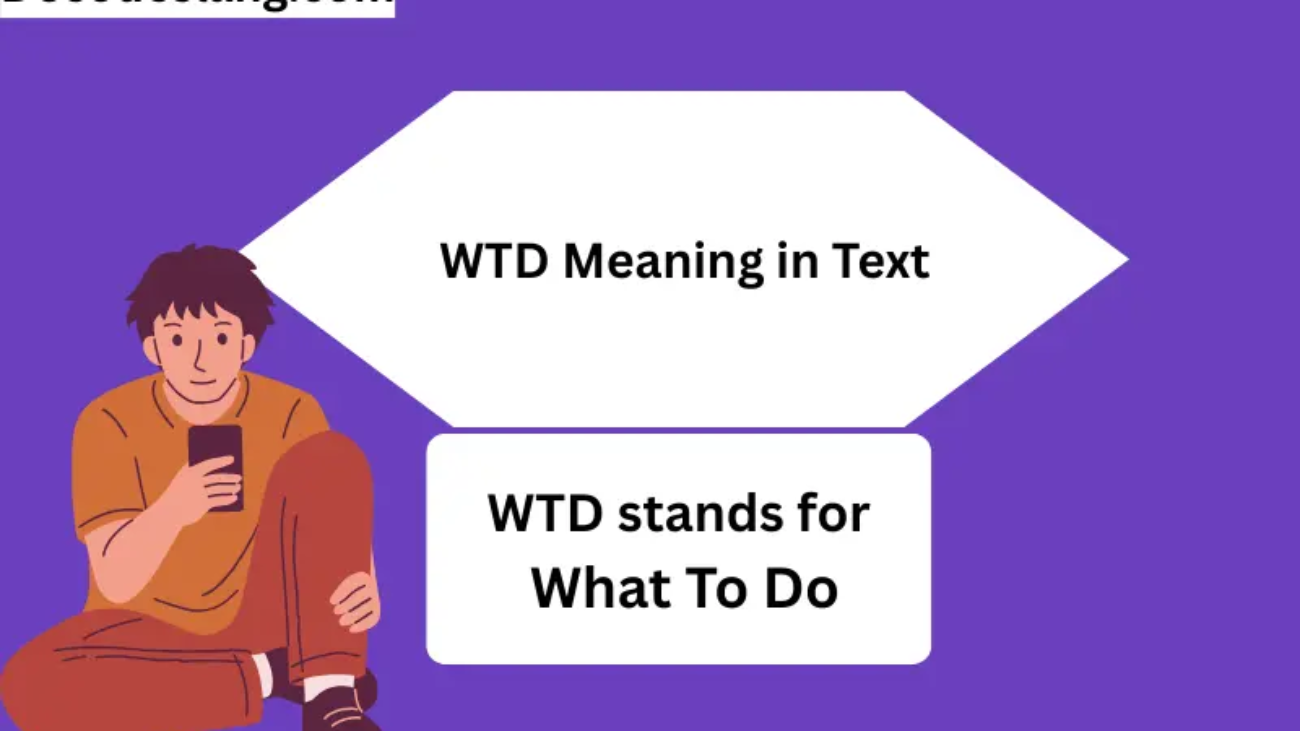
WTD Meaning in Text

WTD Meaning in Text: What Does WTH Really Mean?

In today’s fast-moving digital world, communication has become quicker and easier than ever before. People no longer prefer writing long sentences while chatting online. Instead, they use short forms, abbreviations, and slang terms to express their thoughts in a simple and fast way. This trend has become very popular because of messaging platforms like WhatsApp, Instagram, and Snapchat, where users want to communicate quickly without spending too much time typing.

As a result, many abbreviations have become part of everyday conversations. Words like LOL, BRB, and WYD are now commonly used, and most people understand them easily. However, there are still some abbreviations that can confuse beginners, especially when they are not used as frequently. One such term is WTD.

If you have ever seen WTD in a message and wondered what it means, you are not alone. Many people are curious about its meaning and how to use it correctly. This article will explain the WTD meaning in chat in a very simple and detailed way. By the end of this guide, you will clearly understand its meaning, usage, and importance in modern communication.

What Does WTD Mean in Chat?

WTD is a short form used in online conversations, and its most common meaning is “What To Do.” It is usually used when someone is confused or unsure about something and is asking for advice or suggestions. Instead of typing a full sentence like “What should I do now?”, people simply write WTD to save time and keep the conversation short.

Although “What To Do” is the most common meaning, WTD can sometimes have other interpretations depending on the context. However, in most everyday conversations, it is safe to assume that WTD means asking for guidance or help in making a decision.

Understanding the Simple Meaning of WTD

To understand WTD better, it is helpful to think about the situations in which people use it. When someone is facing a problem, feeling confused, or trying to decide something, they may use WTD to ask others for help. It is a quick way to express uncertainty without writing a long explanation.

For example, if someone misses an important event, they might say “I missed the class, WTD?” In this situation, they are asking what they should do next. Similarly, if a person feels bored and does not know what to do, they might say “I’m bored, WTD?” to ask for suggestions.

This shows that WTD is mainly used to express confusion or to seek advice in a simple and direct way.

Why Do People Use WTD in Chat?

There are several reasons why WTD is commonly used in online conversations. One of the main reasons is speed. In digital communication, people want to reply quickly, and typing short forms helps them do that. Writing WTD takes much less time than writing a full sentence.

Another reason is convenience. Short forms are easier to type, especially on mobile devices. This makes them a practical choice for everyday communication.

WTD also makes conversations feel more casual and relaxed. It removes the need for formal language and allows people to communicate in a more natural way. This is why it is commonly used among friends and in informal settings.

How WTD Is Used in Conversations

WTD is a flexible abbreviation that can be used in different parts of a conversation. It is often used at the end of a sentence to ask for advice or suggestions. For example, someone might say “Plans got canceled, WTD now?” to ask what they should do next.

It can also be used as a complete message on its own. For instance, if someone is confused, they might simply send “WTD?” as a quick way to ask for help. This makes it very convenient for fast conversations.

In some cases, WTD can also be used in the middle of a sentence to add context. For example, “I don’t understand this problem, WTD?” shows both confusion and a request for help in one message.

Real-Life Examples of WTD in Chat

Understanding WTD becomes easier when you look at real-life examples. Imagine a situation where a student forgets to complete an assignment and messages a friend saying, “I forgot to submit my work, WTD?” In this case, they are asking for advice on what to do next.

In another situation, a person might say, “Everyone canceled the plan, WTD now?” Here, they are looking for suggestions on how to spend their time.

These examples show that WTD is commonly used in situations where a person needs guidance or is unsure about their next step.

Importance of WTD in Modern Communication

WTD plays an important role in modern communication because it reflects how people prefer to communicate today. In a fast-paced world, people do not want to spend too much time typing long messages. Abbreviations like WTD help make communication quicker and more efficient.

It also helps people express their thoughts more easily. Instead of explaining a situation in detail, they can simply use WTD to ask for help or advice. This makes conversations more dynamic and interactive.

Advantages of Using WTD

One of the main advantages of using WTD is that it saves time. It allows users to communicate quickly without typing long sentences. This is especially useful in fast conversations where quick responses are important.

Another advantage is that it keeps messages short and simple. This makes it easier for both the sender and the receiver to understand the message.

WTD also adds a casual tone to conversations, which makes them feel more friendly and relaxed. This is why it is popular among younger users and in informal chats.

Disadvantages of Using WTD

Despite its benefits, WTD also has some disadvantages. One of the main issues is that it can be confusing for people who are not familiar with internet slang. Beginners may not understand what WTD means, which can lead to misunderstandings.

Another disadvantage is that it is not suitable for formal communication. Using WTD in professional emails or official messages can make your communication look unprofessional.

It is also important to use WTD carefully, as overusing abbreviations can sometimes make messages unclear.

When to Use WTD

WTD should be used in casual and informal conversations. It is perfect for chatting with friends, classmates, or people you know well. It helps create a relaxed and friendly atmosphere.

However, it should not be used in formal situations such as business communication, job-related messages, or official emails. In these cases, it is better to use full sentences to ensure clarity and professionalism.

Understanding when to use WTD is important for effective communication.

Tips for Using WTD Correctly

To use WTD correctly, it is important to understand the context of the conversation. Make sure that the other person can understand what you mean and is comfortable with informal language.
You can also combine WTD with other words to make your message clearer. For example, instead of just writing “WTD?”, you can write “I’m confused, WTD?” to give more context.

It is also a good idea to avoid using WTD in serious situations where clear communication is required.

Summary Table

SEE ALSO; WTH Meaning in Text: What Does WTH Really Mean?

FAQs

What does WTD mean in chat?
WTD means “What To Do.”

Is WTD commonly used?
Yes, especially in casual chats.

Can WTD be used in emails?
No, it is informal.

How do I reply to WTD?
You can give advice or suggestions based on the situation.

Conclusion

WTD is a simple and useful abbreviation that stands for “What To Do.” It is commonly used in online chats to ask for advice or express confusion. It helps make conversations faster and easier, especially in casual settings.

However, it is important to use WTD in the right context. While it is perfect for informal communication, it should be avoided in formal situations. By understanding its meaning and usage, you can use WTD confidently and effectively in your daily conversations.

WTH Meaning in Text

WTH Meaning in Text: What Does WTH Really Mean?

WTH meaning in text is “What The Hell.” It is a commonly used internet slang that people use in text messages and online chats to express surprise, confusion, or frustration.

In today’s fast-paced digital world, people prefer using short forms instead of typing long sentences. This is why abbreviations like WTH have become very popular across messaging apps and social media platforms. Whether you are chatting with friends or reacting to something online, you are likely to come across this term. Understanding what WTH means and how it is used can help you communicate more naturally and keep up with modern digital conversations.

What Does WTH Mean in Text?

In texting, WTH stands for “What The Hell,” and it is mainly used as a reaction to something unexpected or confusing. Instead of writing a full sentence, people simply type WTH to quickly express their feelings.

For example, if someone shares surprising news or says something unusual, replying with “WTH?” shows immediate reaction without needing extra words. This makes communication faster and more expressive at the same time. It is especially useful in casual conversations where speed and tone matter more than formal language.
Why People Use WTH in Texting

The main reason behind the popularity of WTH is convenience. In online conversations, people want to respond quickly, and abbreviations help save time while still delivering the message clearly. WTH is short, easy to type, and instantly understood by most internet users.

Another reason is emotional expression. Text messages often lack tone and facial expressions, so slang terms like WTH help convey feelings such as surprise, disbelief, or frustration. It adds personality to messages and makes conversations feel more real and engaging. Because of this, it has become a common part of everyday digital communication.

How WTH Is Used in Messages

WTH is mostly used in informal conversations where people feel comfortable expressing themselves freely. It often appears in chats between friends, social media comments, or casual discussions where something unexpected happens.

People use it in different ways depending on the situation. Sometimes it is used as a question, such as “WTH is going on?” and other times as a reaction, like “WTH!” when something shocking occurs. The flexibility of this term makes it useful in many different contexts, which is why it continues to be widely used.

Examples of WTH in Text

Here are a few simple examples that show how WTH can be used in real conversations:

  • WTH is happening right now?
  • You canceled the plan? WTH!
  • WTH, I didn’t expect that from you
  • WTH are you doing?

These examples demonstrate how the term can express surprise, confusion, or even mild frustration depending on the situation.

Where You Will See WTH Most Often

WTH is commonly used across platforms where informal communication is the norm. It appears frequently in text messages, messaging apps like WhatsApp, and social media platforms such as Instagram, TikTok, and Snapchat.

Because these platforms focus on quick and casual interaction, users prefer short and expressive language. As a result, slang like WTH fits perfectly into this style of communication and continues to remain popular among users of all ages.
Is WTH Rude or Acceptable?

WTH is considered informal and can sometimes sound slightly rude, but it is generally not as offensive as stronger expressions. Most people see it as a mild way to react to something surprising without using harsh language.
However, context is very important. While it may be perfectly fine to use WTH with friends, it may not be appropriate in professional or formal conversations. Using it in the wrong setting can make your message seem unprofessional or disrespectful. Therefore, it is always best to consider the situation before using slang like WTH.

WTH vs WTF: Understanding the Difference

Many people often confuse WTH with WTF, as both are used to express similar emotions. However, there is a clear difference in tone between the two.

WTH is a softer and more acceptable expression, while WTF is much stronger and can come across as more aggressive or offensive. Because of this, WTH is usually the safer choice when you want to react without sounding too harsh. Choosing the right term depends on the tone you want to convey and the audience you are communicating with.

Other Meanings of WTH

Although WTH almost always means “What The Hell” in texting, it can have other meanings in very specific contexts. However, these alternative meanings are rare and not commonly used in everyday conversations.

In most cases, if you see WTH in a message or comment, you can safely assume it refers to its standard slang meaning. This consistency makes it easy to understand and use without confusion.

Summary Table

SEE ALSO;RQ” Meaning in Text; What Does RQ Meaning in Chat?

FAQs

What does WTH mean in text?

WTH means “What The Hell.” It is used to show surprise, confusion, or frustration in text messages.

Is WTH a bad word?

WTH is not a strong or offensive word, but it is slightly informal. It is milder compared to stronger slang expressions.

Can I use WTH in professional messages?

It is better to avoid using WTH in professional or formal communication, as it may sound unprofessional.

What is the difference between WTH and WTF?

WTH is a softer expression, while WTF is stronger and can be more offensive. WTH is generally safer to use in casual conversations.

Where is WTH commonly used?

WTH is mostly used in text messages, social media chats, and informal online conversations.

Conclusion

WTH meaning in text is “What The Hell,” and it is widely used to express surprise, confusion, or frustration in online conversations. Its popularity comes from its simplicity, speed, and ability to convey emotions effectively in a short form.

While it is a useful and commonly accepted slang term, it should be used carefully depending on the context. In casual conversations, it can make your messages more expressive and engaging, but in formal situations, it is better to avoid it. Overall, understanding WTH can help you communicate more naturally in today’s digital world.

RQ MEANING IN CHAT

RQ” Meaning in Text; What Does RQ Meaning in Chat?

In today’s fast-growing digital world, communication has changed a lot compared to the past. People now prefer quick and easy ways to send messages instead of writing long sentences. This is why short forms and abbreviations have become very popular in online conversations. Whether you are chatting on WhatsApp, Instagram, Snapchat, or any other messaging platform, you will notice that people use short words to communicate faster.

One such abbreviation that many people see but do not fully understand is RQ. It is a short and simple term, but its meaning can change depending on the situation. This is why beginners often get confused when they see RQ in a message.

This article will explain the RQ meaning in text in a clear and simple way. You will learn its different meanings, how it is used, and how you can understand it correctly in conversations. By the end of this guide, you will feel confident using RQ in your daily chats.

What Does RQ Mean in Text?

RQ is a short form that can have more than one meaning depending on the context of the conversation. The most common meanings of RQ are “Request” and “Real Quick.” Both meanings are widely used in chats, and understanding the correct meaning depends on how the word is used in a sentence.

When someone uses RQ as “Request,” it usually means they are asking for something. On the other hand, when RQ is used as “Real Quick,” it refers to doing something quickly or in a short amount of time. This flexibility is what makes RQ both useful and slightly confusing.

Understanding the Meaning of RQ as “Request”

When RQ is used to mean “Request,” it is usually related to asking for something in a simple and quick way. This usage is common in both personal and informal professional chats. Instead of writing the full word “request,” people shorten it to RQ to save time.

For example, if someone says, “I sent you an RQ,” they are telling you that they have sent a request. Similarly, if a person writes, “Please check my RQ,” they are asking you to review their request. In this context, RQ is often used in situations where communication needs to be quick and direct.

This usage is especially common in online platforms where users frequently send requests, such as friend requests, game invites, or work-related approvals. Using RQ makes the message shorter and easier to type, which is why it has become popular.

Understanding the Meaning of RQ as “Real Quick”

Another common meaning of RQ is “Real Quick.” In this context, it is used to indicate speed or urgency. When someone says RQ, they are usually asking to do something quickly or telling someone that they will do something in a short time.

For example, if someone writes, “Wait RQ,” they are asking you to wait for a short moment. If a person says, “I’ll call you RQ,” it means they will call you soon or very quickly. This usage is common in casual conversations where people want to keep things simple and fast.

This meaning of RQ is especially popular among younger users and in fast-paced environments like gaming chats or social media conversations. It helps reduce the time spent typing and keeps the conversation flowing smoothly.

Why RQ Has Multiple Meanings

One of the main reasons why RQ has multiple meanings is because it is a very short abbreviation. Short forms like RQ often depend heavily on context, which means their meaning changes based on how they are used in a sentence.

Another reason is that online communication is flexible. Different groups of people may use the same abbreviation in slightly different ways. Over time, these meanings become accepted, even if they are different from each other.

Because of this, it is always important to read the full message carefully when you see RQ. Understanding the context will help you identify whether it means “Request” or “Real Quick.”

How to Identify the Correct Meaning of RQ

Understanding the correct meaning of RQ is not difficult if you pay attention to the sentence. If the message is about asking for something, then RQ most likely means “Request.” However, if the message is about time or speed, then it usually means “Real Quick.”

For example, in the sentence “Send me the file RQ,” the meaning is clearly about speed, so RQ means “Real Quick.” On the other hand, in the sentence “I have an RQ for you,” the meaning is about asking, so RQ stands for “Request.”

This simple method of analyzing the sentence can help you understand RQ correctly in most situations.

Common Uses of RQ in Daily Conversations

RQ is commonly used in everyday conversations, especially in casual chats. People use it when they want to save time or make their messages shorter. It is often seen in messages between friends, social media interactions, and online gaming chats.

For example, a friend might say, “Wait RQ, I’m coming,” which means they will arrive shortly. Similarly, in a gaming chat, a player might say, “Join RQ,” meaning they want others to join quickly.

In professional but informal settings, RQ can also be used to refer to requests. For instance, a colleague might say, “Please check my RQ,” referring to a work-related request.

Importance of RQ in Modern Communication

RQ plays an important role in modern communication because it helps people communicate quickly and efficiently. In today’s fast-paced world, people do not always have time to write long messages. Short forms like RQ make it easier to share information in a simple and direct way.

Another important aspect of RQ is that it reflects how language is evolving. As technology continues to grow, people are adapting their communication styles to match the speed of digital platforms. Abbreviations like RQ are a result of this change.

Advantages of Using RQ

Using RQ has several advantages. It saves time, reduces typing effort, and makes conversations quicker. It is especially useful in situations where speed is important, such as gaming or quick chats.

Another advantage is that it keeps messages short and clear. Instead of writing long sentences, users can convey their message with just a few characters. This makes communication more efficient.

Disadvantages of Using RQ

Despite its benefits, RQ also has some disadvantages. One of the main issues is that it can be confusing for people who are not familiar with it. Since it has multiple meanings, it may lead to misunderstandings if the context is not clear.

Another disadvantage is that it is not suitable for formal communication. Using RQ in professional emails or official documents may appear unprofessional and unclear.

Practical Tips for Using RQ

To use RQ effectively, it is important to understand the context of the conversation. Always make sure that the meaning is clear to the other person. If there is a chance of confusion, it is better to use the full word instead of the abbreviation.

It is also important to use RQ only in casual or informal conversations. Avoid using it in formal situations where clear communication is required.

Summary Table

SEE ALSO; SMS Mean in Chat; What Does SMS Mean in Chat?

FAQs

What does RQ mean in text?
RQ means Request or Real Quick.

Is RQ commonly used?
Yes, especially in casual chats.

Can I use RQ in emails?
No, it is informal.

How do I understand RQ?
Check the context of the sentence.

Conclusion

RQ is a simple but useful abbreviation used in modern digital communication. It usually means “Request” or “Real Quick,” depending on the context. Understanding how to use RQ correctly can help you communicate more effectively in casual conversations.

As communication continues to evolve, abbreviations like RQ will remain an important part of online language. By learning their meanings and usage, you can stay updated and confident in your chats.
SMS MEANING IN CHA

SMS Mean in Chat? What Does SMS Mean in Chat?

In today’s fast-paced digital world, communication has become an essential part of our daily lives. Whether it is for personal conversations, business purposes, or emergency communication, people rely heavily on different messaging methods. Among all these methods, SMS is one of the most widely used and reliable forms of communication.

Even though modern messaging applications like WhatsApp, Messenger, and Telegram have gained popularity, SMS still holds a strong position. Many people use SMS daily, but they do not fully understand its meaning, how it works, or why it is still relevant today.

This article will provide a complete and detailed explanation of the SMS meaning in text. It is written in simple English so that beginners can easily understand it. By the end of this guide, you will have a clear understanding of SMS, its uses, importance, and practical applications.

What Does SMS Mean in Text?

SMS stands for “Short Message Service.” It is a communication method that allows users to send and receive short text messages using a mobile network. Unlike internet-based messaging apps, SMS does not require an internet connection to work. This makes it one of the most reliable communication methods, especially in areas where internet access is limited.

The concept of SMS is very simple. When you type a message on your phone and send it using your mobile network, that message is delivered to another person’s phone through the same network. This process happens within seconds, making SMS a quick and efficient way to communicate.

Understanding the Basic Concept of SMS

To understand SMS better, it is important to know that it is a service provided by mobile network operators. It works independently of the internet, which means you can send messages even if you do not have mobile data or Wi-Fi.

SMS messages are usually limited in length, which encourages users to keep their messages short and clear. This limitation has influenced the way people communicate, making them more concise and direct in their messaging.

Over time, SMS has become a basic feature in all mobile phones, from simple devices to advanced smartphones. This universal availability is one of the main reasons why SMS is still widely used today.

History and Evolution of SMS

The history of SMS dates back to the early 1990s. The first SMS message was sent in 1992, and it marked the beginning of a new era in communication. At that time, mobile phones were not as advanced as they are today, and sending text messages was a revolutionary concept.

As technology improved, SMS became more popular and accessible. Mobile network providers started offering SMS services to a larger audience, and people began using it for everyday communication. Over the years, SMS evolved from a simple messaging tool to an essential part of mobile communication.

Even with the rise of internet-based messaging apps, SMS has managed to remain relevant. Its simplicity, reliability, and independence from the internet have helped it survive in a competitive digital environment.

How SMS Works

SMS works through a mobile network infrastructure that connects different devices. When a user sends an SMS, the message is first transmitted to a central server known as the Short Message Service Center (SMSC). This server then processes the message and forwards it to the recipient’s mobile device.

The entire process is very fast and usually takes only a few seconds. If the recipient’s phone is turned off or out of network coverage, the SMSC stores the message and delivers it once the phone becomes available again.

This system ensures that messages are delivered reliably, even in situations where internet-based messaging might fail. This is one of the key reasons why SMS is still used for important communication, such as security alerts and verification codes.

Types of SMS Messages

SMS can be used for different purposes, and its applications have expanded over time. One common type is personal SMS, which is used for everyday conversations between friends and family. These messages are usually simple and informal.

Another important type is business SMS. Companies use SMS to communicate with their customers by sending updates, notifications, and promotional messages. For example, a company might send an SMS to inform a customer about the status of their order.

OTP (One-Time Password) SMS is another widely used type. It is used for security purposes, such as verifying user identity during login or transactions. This type of SMS plays a crucial role in maintaining online security.

Promotional SMS is also common, where businesses send marketing messages to attract customers. Although some people may find these messages annoying, they are still an effective marketing tool.

Importance of SMS in Modern Communication

SMS continues to play an important role in modern communication. One of its biggest advantages is that it does not require an internet connection. This makes it accessible to a wide range of users, including those in remote areas where internet access may be limited.

Another important aspect of SMS is its reliability. Unlike internet-based messaging apps, which can be affected by connectivity issues, SMS works through mobile networks and is less likely to fail.

SMS is also widely used for official and critical communication. For example, banks use SMS to send transaction alerts, and online platforms use it for account verification. This shows that SMS is not just a casual communication tool but also an essential part of secure communication systems.

SMS vs Modern Messaging Apps

When comparing SMS with modern messaging apps, it is clear that both have their own advantages. Messaging apps offer advanced features such as multimedia sharing, voice messages, and video calls. However, they require an internet connection to function.

On the other hand, SMS is simple and does not rely on the internet. This makes it more reliable in certain situations. While messaging apps are more popular for casual communication, SMS is still preferred for important and time-sensitive messages.

Advantages of SMS

SMS has several advantages that make it a valuable communication tool. It is easy to use and does not require any technical knowledge. Anyone with a mobile phone can send and receive SMS messages.

Another advantage is its reliability. SMS works even in low-signal conditions, making it suitable for emergency communication. It is also widely supported by all mobile devices, regardless of their type or brand.

Disadvantages of SMS

Despite its advantages, SMS also has some limitations. One of the main drawbacks is the character limit, which restricts the length of messages. This can sometimes make it difficult to convey detailed information.

Another limitation is the cost. Depending on the mobile plan, sending SMS messages may incur charges. Additionally, SMS does not support advanced features like media sharing, which are available in modern messaging apps.

Practical Uses of SMS

SMS is used in various practical scenarios. For example, it is commonly used for sending reminders, alerts, and notifications. Businesses use SMS to communicate with their customers, while individuals use it for personal communication.

SMS is also widely used in emergency situations. Governments and organizations use it to send alerts and warnings to the public. This highlights the importance of SMS as a reliable communication tool.

📊 Summary Table

SEE ALSO; SU Meaning in Text; What Does SU Mean in Chat?

FAQs

What does SMS mean in text?
SMS means Short Message Service.

Does SMS require internet?
No, it works without internet.

Is SMS still used today?
Yes, it is widely used worldwide.

Can SMS send images?
Basic SMS cannot, but MMS can.

Conclusion

SMS, which stands for Short Message Service, is one of the oldest and most reliable forms of communication. Despite the rise of modern messaging apps, SMS continues to play a crucial role in both personal and professional communication.

Its simplicity, reliability, and independence from the internet make it a valuable tool in today’s digital world. Understanding SMS helps us appreciate its importance and use it more effectively in our daily lives.

SU MEANING IN CHAT

SU Meaning in Text; What Does SU Mean in Chat?

In today’s fast-paced digital world, communication has changed dramatically. People no longer rely on long, formal sentences when talking online. Instead, they prefer using short words, abbreviations, and slang terms to express themselves quickly and efficiently. This trend has become especially common with the rise of messaging platforms such as WhatsApp, Instagram, Snapchat, and Facebook Messenger. These platforms encourage quick replies, and as a result, people naturally adopt shorter ways of communicating.

One abbreviation that has gained attention but often causes confusion is “SU.” Many people come across this term in chats but are unsure about its meaning. Unlike simple abbreviations that have only one definition, SU can have multiple meanings depending on the context. This makes it both interesting and slightly tricky to understand.

This article will provide a complete and detailed explanation of the meaning of SU in text. It is written in simple language so that even beginners can understand it easily. By the end of this guide, you will not only know what SU means but also how to use it correctly in different situations.

Understanding the Core Meaning of SU

The abbreviation SU is unique because it does not have just one fixed meaning. Instead, it changes depending on the situation and the way it is used in a sentence. In most cases, SU can mean “Shut Up,” “See You,” or “Swipe Up.” Each of these meanings has its own context and tone.

When people first encounter SU, they may assume it has a single meaning, but that is not the case. The flexibility of SU is what makes it widely used in digital communication. However, this flexibility can also lead to misunderstandings if the reader does not pay attention to the context of the conversation.

SU as “Shut Up” in Text

One of the most common meanings of SU is “Shut Up.” However, this phrase does not always carry a negative tone. In many casual conversations, especially among friends, it is used in a playful or joking manner rather than as an insult. For example, when someone says something surprising or funny, a friend might respond with “SU 😂” to express disbelief in a lighthearted way.

At the same time, it is important to understand that tone plays a major role here. Without emojis or a friendly context, “SU” can come across as rude or aggressive. For example, if someone simply writes “SU” without any additional context, it might feel harsh or offensive. This is why users must be careful when using this abbreviation, especially in conversations where tone is not clearly understood.

SU as “See You” in Conversations

Another common meaning of SU is “See You.” In this context, it is used as a way to end a conversation or say goodbye. This usage is simple and friendly, making it suitable for casual chats.

For instance, when two people are finishing a conversation, one person might say, “Okay, SU later,” which means they will talk again soon. This usage is completely different from the “Shut Up” meaning, which highlights how important context is when interpreting SU.

Unlike the previous meaning, “See You” is generally positive and polite. It helps maintain a friendly tone in conversations and is commonly used among friends and acquaintances.

SU as “Swipe Up” on Social Media

In the world of social media, SU often stands for “Swipe Up.” This meaning is especially popular on platforms like Instagram, where users share stories with links. When someone writes “SU” in a story, they are asking viewers to swipe up to access additional content, such as a website, product, or video.

This usage of SU is more functional compared to its conversational meanings. It is often used by influencers, brands, and content creators to guide their audience toward specific actions. For example, a brand might post, “Check out our new collection, SU now!” to encourage users to explore their products.

This meaning shows how SU is not limited to personal conversations but is also widely used in marketing and online content.

SU as “What’s Up” or Greeting

In some casual conversations, SU can also be used as a short way of saying “What’s up?” This usage is less common but still seen in informal chats. For example, someone might text “SU?” to ask how the other person is doing or what they are up to.

This version of SU is similar to other greetings like “Sup” or “Wassup.” It is quick, informal, and commonly used among younger audiences. It helps start conversations in a relaxed and friendly manner.

Why SU Can Be Confusing

The main reason SU can be confusing is that it has multiple meanings that are very different from each other. Unlike abbreviations like LOL, which always mean “Laugh Out Loud,” SU depends heavily on context.

Another reason for confusion is tone. Since text messages do not include voice or facial expressions, it can be difficult to understand whether SU is being used in a playful or serious way. This is why people often rely on emojis or additional words to clarify their meaning.

How Context Helps You Understand SU

Understanding the meaning of SU becomes much easier when you pay attention to the context of the conversation. The words around SU, the tone of the message, and the relationship between the people chatting all play an important role.

For example, if someone says, “SU 😂 you’re crazy,” it is clearly a playful use of “Shut Up.” On the other hand, if someone says, “Okay, SU tomorrow,” it obviously means “See You.”

By carefully reading the entire message instead of focusing only on the abbreviation, you can avoid confusion and understand the intended meaning.

Emotional Impact of SU in Conversations

SU is not just a simple abbreviation; it can also carry emotional meaning. Depending on how it is used, it can make a conversation feel friendly, funny, or even rude.

When used with emojis and in a playful context, SU can create a sense of closeness and humor between friends. However, when used without context or in a serious tone, it can create misunderstandings or even conflict.

This is why it is important to be mindful of how you use SU, especially when chatting with people who may not be familiar with your communication style.

Practical Tips for Using SU Correctly

To use SU effectively, it is important to consider the situation and the person you are talking to. In casual conversations with friends, you can use SU freely, especially in a playful or friendly way. However, in professional or formal settings, it is better to avoid such abbreviations.

Adding emojis can also help clarify your tone. For example, “SU 😂” clearly indicates that you are joking, while “SU” alone might be misunderstood.

Another useful tip is to avoid overusing abbreviations. While they are convenient, using too many short forms can make your messages harder to understand.

FAQs 

What does SU mean in text messages?

SU is a short form that can have multiple meanings depending on the context of the conversation. The most common meanings include “Shut Up,” “See You,” and “Swipe Up.” In some cases, it can also mean “What’s Up.” The exact meaning depends on how the word is used in a sentence and the tone of the message. For example, if someone says “SU 😂,” it usually means “Shut Up” in a joking way, while “SU later” means “See You later.” Understanding the full sentence helps you interpret the meaning correctly.
Is SU rude or polite in conversations?

SU can be both rude and polite depending on how it is used. When used in a playful way among friends, it is usually not rude and can even be funny. However, if it is used seriously or without any friendly tone, it can come across as disrespectful. For example, saying “SU 😂” in a friendly chat is harmless, but saying “SU now” without context can sound aggressive. This is why tone and context are very important when using SU in conversations.

Can SU mean “See You” in chat?

Yes, SU is commonly used to mean “See You,” especially at the end of a conversation. People use it as a quick and informal way to say goodbye. For example, phrases like “Okay, SU later” or “Talk to you soon, SU” clearly show that the person is ending the conversation in a friendly way. This meaning is widely accepted and is considered polite in casual chats.

What does SU mean on Instagram or social media?

On social media platforms, especially Instagram, SU often stands for “Swipe Up.” It is used in stories or posts where the user wants others to swipe up to access a link, product, or additional content. This usage is very common among influencers, brands, and content creators. For example, someone might write “New video is live, SU now!” to encourage followers to check their content.

How can I understand the correct meaning of SU?

To understand the correct meaning of SU, you need to look at the context of the conversation. Pay attention to the sentence, the tone, and the situation. If the message includes humor or emojis, it is likely being used in a playful way. If it appears at the end of a conversation, it probably means “See You.” By reading the entire message carefully, you can easily figure out what SU means in that specific situation.

Is SU used in formal communication?

No, SU is not suitable for formal communication. It is an informal abbreviation that is mainly used in casual conversations, social media chats, and friendly messaging. In professional settings, emails, or business communication, it is better to use full words like “See you” or “Please stop” instead of abbreviations. Using SU in formal situations can make your message look unprofessional.

Why do people use SU instead of full words?

People use SU because it saves time and makes communication faster. In digital conversations, especially on mobile devices, typing long sentences can feel slow and unnecessary. Short forms like SU help people communicate quickly while still expressing their message. Additionally, using abbreviations makes conversations feel more relaxed and informal, which is why they are popular among younger users.
Can SU have different meanings in different situations?

Yes, SU is a flexible abbreviation that can have different meanings depending on the situation. This is one of the reasons why it can sometimes be confusing. For example, in a friendly chat, it might mean “Shut Up” in a playful way, while in a social media context, it could mean “Swipe Up.” Understanding the situation and tone is key to interpreting its meaning correctly.

Should beginners use SU in chats?

Beginners can use SU, but they should be careful and understand its meanings first. Since SU can have multiple meanings, using it without understanding the context can lead to confusion or misunderstanding. It is always better to use it in simple and clear situations, such as saying goodbye (“SU later”) or joking with friends. With time and experience, it becomes easier to use SU correctly.

What are the common mistakes people make with SU?

One common mistake is using SU without considering the context, which can confuse the other person. Another mistake is using it in formal or professional communication, where it is not appropriate. Some people also forget to consider tone, which can make SU sound rude instead of friendly. Avoiding these mistakes can help you use SU more effectively.
Is SU similar to “SUP” or “Wassup”?

SU can sometimes be similar to “SUP” or “Wassup” when it is used as a greeting. However, this usage is less common compared to its other meanings. While “SUP” almost always means “What’s up,” SU is more flexible and can mean different things depending on the context. This makes SU more versatile but also slightly more confusing.

How can I reply to SU in a conversation?

Your reply to SU depends on its meaning in the conversation. If someone uses SU to say goodbye, you can respond with something like “Bye” or “See you.” If it is used in a playful way, you can reply with humor or continue the conversation. If it is used as a greeting, you can respond by sharing what you are doing or asking the same question back. Understanding the context will help you choose the right response.

Is SU commonly used worldwide?

Yes, SU is widely used in digital communication around the world, especially among younger audiences. It is popular in texting, social media, and online chats. However, its usage may vary depending on the region and platform. Some meanings, like “Swipe Up,” are more common on specific platforms like Instagram, while others are used in general conversations.

Can SU be misunderstood easily?

Yes, SU can be misunderstood because it has multiple meanings and depends heavily on context. Without proper tone or additional words, the reader might interpret it differently than intended. This is why it is important to use clear sentences or emojis when using SU, especially when talking to someone who may not be familiar with it.

Why is SU important in modern communication?

SU is important because it reflects how modern communication is evolving. People prefer quick, simple, and efficient ways to communicate, and abbreviations like SU help achieve that. It shows how language adapts to digital platforms and changing communication habits. Understanding such abbreviations helps you stay updated and communicate effectively in today’s world.

Conclusion

SU is a versatile abbreviation that plays an important role in modern digital communication. It can mean “Shut Up,” “See You,” “Swipe Up,” or even “What’s Up,” depending on the context. This flexibility makes it useful but also requires careful understanding.

By paying attention to context, tone, and the situation, you can easily understand and use SU correctly in your conversations. As digital communication continues to evolve, abbreviations like SU will remain an important part of how people connect and express themselves online.

DWBI Meaning in Text

DWBI Meaning in Text: What Does DWBI Mean in Chat?

In today’s digital communication era, language is evolving faster than ever before. With the rise of instant messaging platforms such as WhatsApp, Instagram, Snapchat, and online communities, people are constantly looking for faster and more efficient ways to communicate. This has led to the widespread use of abbreviations, slang terms, and short forms.

Among these abbreviations, one term that often confuses beginners is DWBI. While it may look complex at first, its meaning is quite simple yet powerful in communication.

The most widely accepted meaning of DWBI in text is:

👉 DWBI = “Don’t Worry About It” 

It is used as a reassurance phrase to calm someone down, reduce tension, or show that something is not a big deal.

However, DWBI is more than just a short form. It carries emotional weight, tone, and context that can change depending on how and where it is used. In this detailed guide, we will explore everything about DWBI—from meaning to psychology, real-life case studies, practical usage, and expert tips.

Deep Meaning of DWBI in Text

At its core, DWBI is a reassurance phrase. It communicates that:

  • The situation is not serious
  • The other person should relax
  • There is no need for guilt or stress

In simple words, it replaces longer sentences like:

  • “It’s okay, don’t worry about it.”
  • “No problem at all.”
  • “You don’t need to stress over this.”

According to slang usage sources, DWBI is commonly used to make conversations lighter and more comfortable 

Section 2: Emotional Psychology Behind DWBI

DWBI is not just a word—it is a psychological communication tool.

1. Reduces Anxiety

When someone is worried or apologizing, DWBI instantly reduces emotional pressure.

2. Builds Social Comfort

It signals friendliness and understanding, making conversations smoother.

3. Avoids Conflict

Instead of discussing a mistake deeply, DWBI closes the topic politely.

4. Creates Emotional Safety

It tells the other person:
👉 “You are safe, no judgment here.”

This is why DWBI is widely used in close relationships like friends, partners, and family.

Different Meanings of DWBI (Context-Based)

Although the most common meaning is “Don’t Worry About It,” DWBI can have slight variations depending on context:

✔️ Primary Meaning

  • Don’t worry about it
  • It’s okay

✔️ Alternative Interpretations

Some sources suggest rare meanings like:

  • “Don’t Worry ‘Bout It” (same meaning, casual tone) 
  • “Don’t Worry, Be Informed” (less common) 
  • “Don’t Worry, Be Inspired” (motivational use) 
  • 👉 Important: In 90% of chat cases, it simply means Don’t Worry About It.

Real-Life Chat Examples

(Apology Situation)

A: “Sorry I replied late.”
B: “DWBI 😊”

👉 Meaning: It’s okay, no problem.

(Mistake Situation)

A: “I forgot the file.”
B: “DWBI, I’ll handle it.”

(Emotional Support)

A: “I feel stressed
B: “DWBI, everything will be fine.”

(Casual Conversation)

A: “Did I annoy you?”
B: “DWBI.”

👉 Tone depends here—can be friendly or slightly dismissive.

Case Studies

Friendship Communication

Situation:
A friend forgets your birthday.

Response A:
“Why did you forget?”

Response B:
“DWBI 😊”

👉 Outcome:

  • Response A creates tension
  • Response B maintains friendship

Lesson: DWBI helps preserve relationships.

Workplace Chat

Situation:
Teammate delays a small task.

Response:
“DWBI, we can adjust.”

👉 Outcome:

  • Reduces stress
  • Encourages teamwork

Online Dating Scenario

Situation:
Someone cancels a plan.

Response:
“DWBI, maybe next time 🙂”

👉 Outcome:

  • Keeps interaction positive
  • Avoids awkwardness

Misuse Scenario

Situation:
Serious issue (e.g., missed deadline)

Response:
“DWBI”

👉 Outcome:

  • Seems careless
  • Can damage trust

Lesson: Context matters a lot.

When to Use DWBI (Practical Guide)

✔️ Best Situations to Use DWBI

  • When someone apologizes
  • When issue is small
  • In friendly chats
  • To reduce tension
  • In casual conversations

❌ When NOT to Use DWBI

  • In professional emails
  • In serious discussions
  • During conflicts
  • When accountability is needed

Tone Variations of DWBI

DWBI tone changes depending on how you use it:

😊 Friendly Tone

“DWBI 😊” → Warm and kind

😐 Neutral Tone

“DWBI.” → Simple but flat

😒 Dismissive Tone

“DWBI…” → Can feel rude

👉 Tone depends on emojis, punctuation, and context.

DWBI vs Other Slang Terms

DWBI is more personal and comforting than most alternatives.

Cultural Impact of DWBI

DWBI reflects how modern communication is:

  • Faster
  • More emotional
  • Less formal
  • Context-based

People prefer short expressions that carry emotional meaning instead of long explanations.

Common Mistakes People Make

❌ Mistake 1: Using in Formal Emails

✔️ Use full sentence instead

❌ Mistake 2: Using in Serious Situations

✔️ Show proper concern

❌ Mistake 3: Wrong Tone

✔️ Add emoji if needed

Pro Tips

🔥 Tip 1: Use Emoji for Warmth

👉 “DWBI 😊” feels friendly

🔥 Tip 2: Combine with Sentence

👉 “DWBI, it’s okay”

🔥 Tip 3: Match the Situation

👉 Light issue → DWBI
👉 Serious issue → Full explanation

🔥 Tip 4: Avoid Overuse

Too much slang reduces professionalism

Advanced Usage

DWBI can be used strategically:

  • To end awkward topics
  • To forgive without discussion
  • To maintain emotional balance
  • To control conversation tone

DWBI in Social Media & Gaming

DWBI is commonly used in:

  • Group chats
  • Gaming chats
  • Instagram replies
  • Snapchat conversations

It helps keep conversations quick and stress-free.

How to Reply to DWBI

If someone says DWBI, you can reply:

  • “Thanks 😊”
  • “Okay got it”
  • “Appreciate it”

Why DWBI Matters in Digital Communication

DWBI is important because:

  • It saves time
  • It reduces stress
  • It improves relationships
  • It simplifies communication

It is a perfect example of how language adapts to modern needs.

ALSO SEE; GM Meaning in Text: Simple Guide to Good Morning Slang

FAQs

What does DWBI mean in text?

DWBI means “Don’t Worry About It.”

Is DWBI polite?

Yes, it is friendly and polite.

Can DWBI be rude?

Yes, if used without context or emotion.

Is DWBI formal?

No, it is informal slang.

When should I use DWBI?

In casual conversations and small situations.

Can DWBI have other meanings?

Yes, but rarely used.

How to use DWBI correctly?

Use it with proper tone and context.

Conclusion

DWBI is a simple yet powerful slang term in modern digital communication. It stands for “Don’t Worry About It” and is used to comfort, reassure, and simplify conversations. While it may look like just four letters, it carries emotional depth and social meaning.

Understanding DWBI is not just about knowing its definition—it is about understanding how, when, and why to use it. When used correctly, it can strengthen relationships, reduce tension, and make communication smoother.

In a world where communication is becoming faster and shorter, terms like DWBI play a crucial role in expressing emotions quickly and effectively.

Decodeslang.com (14)

GM Meaning in Text: Simple Guide to Good Morning Slang

In today’s digital age, communication has become faster, shorter, and more convenient. People no longer write long sentences in chats like they used to before. Instead, they use short forms, abbreviations, and slang words to save time and make conversations more engaging. These short words are especially popular on messaging apps and social media platforms.

One such commonly used short form is GM. You might have seen someone send you a message that simply says “GM” and wondered what it means. If you are new to online slang, it can feel confusing at first. But don’t worry—this guide will help you understand everything about the GM meaning in text in a very simple and friendly way.

This article is written in an easy tone so that beginners can understand it without any difficulty. By the end of this guide, you will not only know what GM means, but you will also feel confident using it in your daily chats.

🌟 What Does GM Mean in Text?

GM stands for “Good Morning.”

It is a short and simple way of greeting someone at the start of the day. Instead of typing the full phrase “Good Morning,” people use “GM” to save time.

For example:
👉 “GM 😊”
👉 “GM! Hope you have a great day!”

Both of these messages are friendly ways to greet someone in the morning.

💬 Why Do People Use GM in Chat?

There are many reasons why people use GM in their conversations. It has become a daily habit for many users.

1. Saves Time

Typing “GM” is much faster than writing “Good Morning,” especially when you are chatting with many people.

2. Easy to Use

It is simple and easy to understand, even for beginners.

3. Friendly Gesture

Sending a GM message shows that you care about the other person and want to greet them.

4. Common Daily Routine

Many people send GM messages every morning to friends, family, and even groups.

😊 Is GM Formal or Informal?

GM is mostly informal but can also be semi-formal.

You can use GM in:

  • Casual chats with friends
  • Messages with family
  • Social media conversations

In slightly professional chats (like team groups), GM can sometimes be acceptable.

However, in formal situations like:

  • Job emails
  • Official letters
  • Business communication

It is better to write the full phrase “Good Morning.”

📱 Where Is GM Commonly Used?

GM is widely used across different platforms. You will often see it in:

  • WhatsApp messages
  • Instagram DMs
  • Facebook Messenger
  • Snapchat chats
  • Telegram groups
  • Workplace chat apps (sometimes)

Because it is so simple, it is used by people of all ages.

🧠 Examples of GM in Daily Conversations

Here are some real-life examples to help you understand better:

  • “GM 😊 How are you today?”
  • “GM bro!”
  • “GM everyone, have a great day!”
  • “GM! Ready for work?”

These examples show how GM can be used in different situations.

💡 How to Reply to GM

Replying to GM is very easy and polite. You can respond in different ways depending on your mood.

Simple Replies:

  • “Good morning!”
  • “GM 😊”

Friendly Replies:

  • “Good morning! Have a nice day!”
  • “GM! How are you?”

Extended Replies:

  • “Good morning! I hope you have a wonderful day ahead.”

Replying properly keeps the conversation active and friendly.

🎯 Why GM Is So Popular

GM has become popular for several reasons:

  • It is short and quick
  • It is used every day
  • It spreads positivity
  • It helps start conversations

In today’s busy life, people prefer quick communication, and GM fits perfectly.

💖 Importance of Saying Good Morning

Saying good morning may seem small, but it has a big impact.

It can:

  • Make someone smile
  • Show care and respect
  • Improve relationships
  • Start the day on a positive note

Even a simple “GM” can make someone feel valued.

🌈 GM in Group Chats

GM is very common in group chats. People often send it in:

  • Family groups
  • Friend groups
  • Office groups

Example:
👉 “GM everyone!”

It helps create a friendly environment and keeps the group active.

⚠️ When Not to Use GM

Even though GM is useful, there are situations where it should not be used.

Avoid using GM in:

  • Formal emails
  • Job applications
  • Official documents

In these cases, always write “Good Morning” properly.

🔄 Other Meanings of GM

Although GM usually means “Good Morning,” it can have other meanings depending on context.

1. Good Morning (Most Common)

Used in everyday chat.

2. General Manager

Used in business context.

3. Game Master

Used in gaming.

However, in texting, GM almost always means Good Morning.

📊 GM vs Good Morning

Let’s compare:

👉 “Good Morning” → Formal and complete
👉 “GM” → Short and casual

Both have the same meaning, but GM is faster.

🧩 Common Mistakes People Make

Here are some mistakes people often make:

❌ Using GM in formal writing
✔️ Use full phrase in professional communication

❌ Ignoring GM messages
✔️ Always reply politely

❌ Using too many abbreviations
✔️ Keep balance in communication

💡 Tips for Using GM Properly

  • Use it in casual chats
  • Add emojis 😊 to make it friendly
  • Reply politely
  • Avoid using it in formal writing

🌍 How GM Connects People Globally

GM is used by people all over the world. Even if languages are different, short forms like GM help people understand each other easily.

It shows how digital communication connects people globally.

🧠 Easy Way to Remember GM

👉 GM = Good Morning
👉 Used as a greeting

Very simple and easy 😊

📚 More Chat Examples

Example 1:
A: “GM 😊”
B: “Good morning! How are you?”

Example 2:
A: “GM bro!”
B: “GM! What’s up?”

Example 3:
A: “GM everyone!”
B: “Good morning guys!”

📊 Summary Table

See Also: What Does FR Mean in Chat? Easy Guide for Beginners

FAQ

What does GM mean in text?

GM means “Good Morning.” It is used as a greeting

2. Is GM formal or informal?

It is mostly informal but can be used in semi-formal chats.

How do I reply to GM?

You can reply with “Good morning” or “GM 😊”.

Can I use GM in emails?

It is better to use “Good Morning” in formal emails.

Why do people send GM messages daily?

It is a friendly habit to greet others and start the day positively.

Is GM used worldwide?

Yes, people around the world use it.

Does GM have other meanings?

Yes, but in chat it usually means “Good Morning.”

Is it rude not to reply to GM?

It is not rude, but replying is polite and friendly.

Conclusion

GM is one of the simplest and most widely used slang terms in online communication. It stands for “Good Morning” and is used to greet people in a quick and friendly way. Even though it is just two letters, it carries a warm and positive message that can brighten someone’s day.

Using GM in your daily chats can help you stay connected with others and create a friendly atmosphere. Just remember to use it in the right situations and keep your communication respectful and kind.

FR Meaning in chat

What Does FR Mean in Chat? Easy Guide for Beginners

In today’s digital world, people communicate faster than ever before. Whether it is through WhatsApp, Instagram, Snapchat, or other social media platforms, chatting has become a daily part of life. Because of this fast communication, people often use short words and slang to save time and make conversations more fun.

One such popular slang term is FR. If you have ever received a message with “FR” and felt confused, you are not alone. Many people, especially beginners, do not understand what it means at first.

In this complete guide, we will explain everything about FR meaning in chat in a very simple and friendly way. You will learn what it means, how to use it, where it is used, and why it has become so popular.

🌟 What Does FR Mean in Chat?

FR stands for “For Real.”

It is used to show that someone is being honest, serious, or truly agrees with something. When a person uses FR, they want their message to feel real and genuine.

In simple words, FR means:
👉 Really
👉 Seriously
👉 Honestly

For example:
👉 “That movie was amazing, FR.”

This means the person truly thinks the movie was amazing.

💬 Full Form and Simple Meaning of FR

The full form of FR is For Real. It is a short and easy way to express truth or strong feelings.

Depending on the situation, FR can mean:

  • “I am serious”
  • “This is true”
  • “I agree with you”

For example:
👉 “I am tired, FR.”
👉 “FR, that was funny.”

In both cases, FR adds emphasis to the sentence.

😊 Why Do People Use FR in Texting?

People use FR because it is simple, fast, and expressive.

1. Saves Time

Typing “FR” is much quicker than writing a full sentence.

2. Adds Emotion

It makes messages feel stronger and more real.

3. Makes Chats Friendly

It gives a casual and relaxed tone to conversations.

4. Easy to Understand

Most people who use social media understand it easily.

📱 Where Is FR Commonly Used?

FR is widely used on many platforms, such as:

  • WhatsApp
  • Instagram
  • TikTok
  • Snapchat
  • Facebook
  • Gaming chats

It is especially popular among young people and online communities.

🎯 How FR Is Used in Different Situations

FR can be used in different ways depending on the context.

✔️ To Show Agreement

👉 “This song is amazing.”
👉 “FR, I love it too!”

✔️ To Show Honesty

👉 “I really enjoyed that, FR.”

✔️ To React to Something

👉 “That was scary, FR.”

✔️ As a Question

👉 “FR?” (Are you serious?)

🧠 Real Chat Examples of FR

Here are some simple conversations:

Example 1:
A: “This game is hard.”
B: “FR, I keep losing.”

Example 2:
A: “I am so tired today.”
B: “Same, FR.”

Example 3:
A: “That movie was boring.”
B: “FR, I didn’t like it.”

🔄 Variations of FR

There are some variations of FR that you might see.

FRFR

👉 Means “For real, for real”
👉 Used for strong emphasis

Example:
👉 “That was amazing, FRFR.”

FR?

👉 Used as a question
👉 Means “Are you serious?”

Example:
👉 “You got the job? FR?”

FR No Cap

👉 Means “For real, no lie”

Example:
👉 “This is the best food, FR no cap.”

🌈 Why FR Is So Popular

FR is popular because:

  • It is short and quick
  • It adds emotion
  • It feels natural in conversation
  • It is widely used online

People today prefer simple and fast communication, and FR fits perfectly.

⚠️ Is FR Formal or Informal?

FR is informal.

You should use it in:

  • Friendly chats
  • Social media
  • Casual conversations

Do not use it in:

  • Office emails
  • Job messages
  • School work

Always use proper language in formal situations.

🔍 Other Meanings of FR

Sometimes FR can have other meanings, such as:

  • France (country code)
  • French (language)
  • Frame rate (technical term)

However, in chat, it almost always means For Real.

🧩 Common Mistakes People Make

Here are some common mistakes:

❌ Using FR in formal writing
✔️ Use it only in casual chats

❌ Not understanding context
✔️ Always read the full message

❌ Overusing slang
✔️ Use it naturally, not too much

💡 Tips for Using FR Correctly

  • Use it in casual conversations
  • Keep your tone friendly
  • Understand the context
  • Do not use it in formal situations

See Also: HU Meaning in Text: What It Means in Text Messages

FAQ

What does FR mean in chat?

FR means “For Real.” It is used to show honesty, seriousness, or agreement.

Is FR the same as “really”?

Yes, it has a similar meaning and is used to add emphasis.

Can I use FR in professional messages?

No, FR is informal and should not be used in professional communication.

What does FRFR mean?

FRFR means “For real, for real.” It adds stronger emphasis.

How do I reply to FR?

You can reply normally, agree, or continue the conversation.

Is FR rude?

No, FR is not rude. It is neutral and friendly.

Why is FR so popular?

Because it is short, easy to use, and expressive.

🌟 Conclusion

FR is a simple but powerful slang term that is widely used in online communication. It helps people express honesty, agreement, and emotions in a quick and easy way. Even though it is just two letters, it adds meaning and depth to conversations.

Now that you understand the meaning of FR in chat, you can use it confidently in your daily messages. Just remember to use it in the right situations and keep your communication kind and respectful.

📝 Quick Summary

  • FR means “For Real”
  • It shows honesty and agreement
  • It is informal
  • It is used in chats and social media
  • Avoid using it in formal situations