SMS MEANING IN CHA

SMS Mean in Chat? What Does SMS Mean in Chat?

In today’s fast-paced digital world, communication has become an essential part of our daily lives. Whether it is for personal conversations, business purposes, or emergency communication, people rely heavily on different messaging methods. Among all these methods, SMS is one of the most widely used and reliable forms of communication.

Even though modern messaging applications like WhatsApp, Messenger, and Telegram have gained popularity, SMS still holds a strong position. Many people use SMS daily, but they do not fully understand its meaning, how it works, or why it is still relevant today.

This article will provide a complete and detailed explanation of the SMS meaning in text. It is written in simple English so that beginners can easily understand it. By the end of this guide, you will have a clear understanding of SMS, its uses, importance, and practical applications.

What Does SMS Mean in Text?

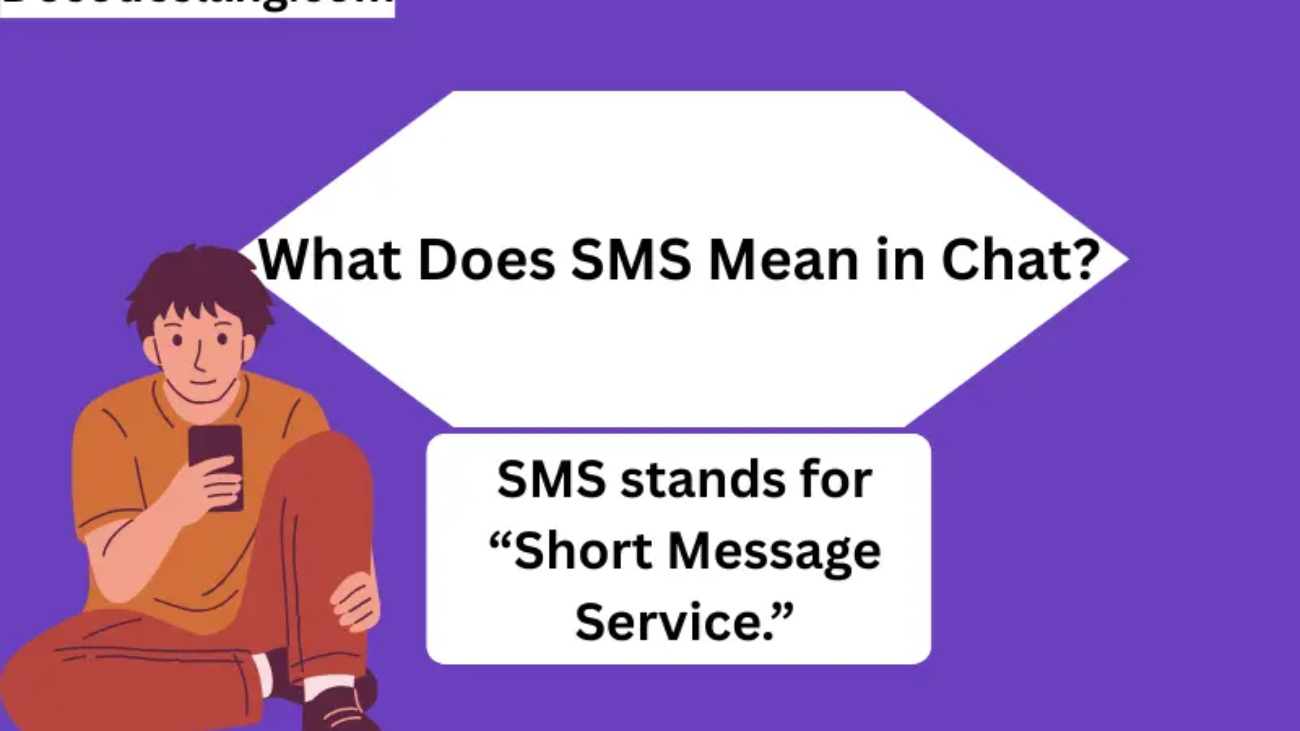
SMS stands for “Short Message Service.” It is a communication method that allows users to send and receive short text messages using a mobile network. Unlike internet-based messaging apps, SMS does not require an internet connection to work. This makes it one of the most reliable communication methods, especially in areas where internet access is limited.

The concept of SMS is very simple. When you type a message on your phone and send it using your mobile network, that message is delivered to another person’s phone through the same network. This process happens within seconds, making SMS a quick and efficient way to communicate.

Understanding the Basic Concept of SMS

To understand SMS better, it is important to know that it is a service provided by mobile network operators. It works independently of the internet, which means you can send messages even if you do not have mobile data or Wi-Fi.

SMS messages are usually limited in length, which encourages users to keep their messages short and clear. This limitation has influenced the way people communicate, making them more concise and direct in their messaging.

Over time, SMS has become a basic feature in all mobile phones, from simple devices to advanced smartphones. This universal availability is one of the main reasons why SMS is still widely used today.

History and Evolution of SMS

The history of SMS dates back to the early 1990s. The first SMS message was sent in 1992, and it marked the beginning of a new era in communication. At that time, mobile phones were not as advanced as they are today, and sending text messages was a revolutionary concept.

As technology improved, SMS became more popular and accessible. Mobile network providers started offering SMS services to a larger audience, and people began using it for everyday communication. Over the years, SMS evolved from a simple messaging tool to an essential part of mobile communication.

Even with the rise of internet-based messaging apps, SMS has managed to remain relevant. Its simplicity, reliability, and independence from the internet have helped it survive in a competitive digital environment.

How SMS Works

SMS works through a mobile network infrastructure that connects different devices. When a user sends an SMS, the message is first transmitted to a central server known as the Short Message Service Center (SMSC). This server then processes the message and forwards it to the recipient’s mobile device.

The entire process is very fast and usually takes only a few seconds. If the recipient’s phone is turned off or out of network coverage, the SMSC stores the message and delivers it once the phone becomes available again.

This system ensures that messages are delivered reliably, even in situations where internet-based messaging might fail. This is one of the key reasons why SMS is still used for important communication, such as security alerts and verification codes.

Types of SMS Messages

SMS can be used for different purposes, and its applications have expanded over time. One common type is personal SMS, which is used for everyday conversations between friends and family. These messages are usually simple and informal.

Another important type is business SMS. Companies use SMS to communicate with their customers by sending updates, notifications, and promotional messages. For example, a company might send an SMS to inform a customer about the status of their order.

OTP (One-Time Password) SMS is another widely used type. It is used for security purposes, such as verifying user identity during login or transactions. This type of SMS plays a crucial role in maintaining online security.

Promotional SMS is also common, where businesses send marketing messages to attract customers. Although some people may find these messages annoying, they are still an effective marketing tool.

Importance of SMS in Modern Communication
SMS continues to play an important role in modern communication. One of its biggest advantages is that it does not require an internet connection. This makes it accessible to a wide range of users, including those in remote areas where internet access may be limited.

Another important aspect of SMS is its reliability. Unlike internet-based messaging apps, which can be affected by connectivity issues, SMS works through mobile networks and is less likely to fail.

SMS is also widely used for official and critical communication. For example, banks use SMS to send transaction alerts, and online platforms use it for account verification. This shows that SMS is not just a casual communication tool but also an essential part of secure communication systems.

SMS vs Modern Messaging Apps

When comparing SMS with modern messaging apps, it is clear that both have their own advantages. Messaging apps offer advanced features such as multimedia sharing, voice messages, and video calls. However, they require an internet connection to function.

On the other hand, SMS is simple and does not rely on the internet. This makes it more reliable in certain situations. While messaging apps are more popular for casual communication, SMS is still preferred for important and time-sensitive messages.

Advantages of SMS

SMS has several advantages that make it a valuable communication tool. It is easy to use and does not require any technical knowledge. Anyone with a mobile phone can send and receive SMS messages.

Another advantage is its reliability. SMS works even in low-signal conditions, making it suitable for emergency communication. It is also widely supported by all mobile devices, regardless of their type or brand.

Disadvantages of SMS
Despite its advantages, SMS also has some limitations. One of the main drawbacks is the character limit, which restricts the length of messages. This can sometimes make it difficult to convey detailed information.

Another limitation is the cost. Depending on the mobile plan, sending SMS messages may incur charges. Additionally, SMS does not support advanced features like media sharing, which are available in modern messaging apps.

Practical Uses of SMS

SMS is used in various practical scenarios. For example, it is commonly used for sending reminders, alerts, and notifications. Businesses use SMS to communicate with their customers, while individuals use it for personal communication.

SMS is also widely used in emergency situations. Governments and organizations use it to send alerts and warnings to the public. This highlights the importance of SMS as a reliable communication tool.

📊 Summary Table

SEE ALSO; SU Meaning in Text; What Does SU Mean in Chat?

FAQs

What does SMS mean in text?
SMS means Short Message Service.

Does SMS require internet?
No, it works without internet.

Is SMS still used today?
Yes, it is widely used worldwide.

Can SMS send images?
Basic SMS cannot, but MMS can.

Conclusion

SMS, which stands for Short Message Service, is one of the oldest and most reliable forms of communication. Despite the rise of modern messaging apps, SMS continues to play a crucial role in both personal and professional communication.

Its simplicity, reliability, and independence from the internet make it a valuable tool in today’s digital world. Understanding SMS helps us appreciate its importance and use it more effectively in our daily lives.
SU MEANING IN CHAT

SU Meaning in Text; What Does SU Mean in Chat?

In today’s fast-paced digital world, communication has changed dramatically. People no longer rely on long, formal sentences when talking online. Instead, they prefer using short words, abbreviations, and slang terms to express themselves quickly and efficiently. This trend has become especially common with the rise of messaging platforms such as WhatsApp, Instagram, Snapchat, and Facebook Messenger. These platforms encourage quick replies, and as a result, people naturally adopt shorter ways of communicating.

One abbreviation that has gained attention but often causes confusion is “SU.” Many people come across this term in chats but are unsure about its meaning. Unlike simple abbreviations that have only one definition, SU can have multiple meanings depending on the context. This makes it both interesting and slightly tricky to understand.

This article will provide a complete and detailed explanation of the meaning of SU in text. It is written in simple language so that even beginners can understand it easily. By the end of this guide, you will not only know what SU means but also how to use it correctly in different situations.

Understanding the Core Meaning of SU

The abbreviation SU is unique because it does not have just one fixed meaning. Instead, it changes depending on the situation and the way it is used in a sentence. In most cases, SU can mean “Shut Up,” “See You,” or “Swipe Up.” Each of these meanings has its own context and tone.

When people first encounter SU, they may assume it has a single meaning, but that is not the case. The flexibility of SU is what makes it widely used in digital communication. However, this flexibility can also lead to misunderstandings if the reader does not pay attention to the context of the conversation.

SU as “Shut Up” in Text

One of the most common meanings of SU is “Shut Up.” However, this phrase does not always carry a negative tone. In many casual conversations, especially among friends, it is used in a playful or joking manner rather than as an insult. For example, when someone says something surprising or funny, a friend might respond with “SU 😂” to express disbelief in a lighthearted way.

At the same time, it is important to understand that tone plays a major role here. Without emojis or a friendly context, “SU” can come across as rude or aggressive. For example, if someone simply writes “SU” without any additional context, it might feel harsh or offensive. This is why users must be careful when using this abbreviation, especially in conversations where tone is not clearly understood.

SU as “See You” in Conversations

Another common meaning of SU is “See You.” In this context, it is used as a way to end a conversation or say goodbye. This usage is simple and friendly, making it suitable for casual chats.

For instance, when two people are finishing a conversation, one person might say, “Okay, SU later,” which means they will talk again soon. This usage is completely different from the “Shut Up” meaning, which highlights how important context is when interpreting SU.

Unlike the previous meaning, “See You” is generally positive and polite. It helps maintain a friendly tone in conversations and is commonly used among friends and acquaintances.

SU as “Swipe Up” on Social Media

In the world of social media, SU often stands for “Swipe Up.” This meaning is especially popular on platforms like Instagram, where users share stories with links. When someone writes “SU” in a story, they are asking viewers to swipe up to access additional content, such as a website, product, or video.

This usage of SU is more functional compared to its conversational meanings. It is often used by influencers, brands, and content creators to guide their audience toward specific actions. For example, a brand might post, “Check out our new collection, SU now!” to encourage users to explore their products.

This meaning shows how SU is not limited to personal conversations but is also widely used in marketing and online content.

SU as “What’s Up” or Greeting

In some casual conversations, SU can also be used as a short way of saying “What’s up?” This usage is less common but still seen in informal chats. For example, someone might text “SU?” to ask how the other person is doing or what they are up to.

This version of SU is similar to other greetings like “Sup” or “Wassup.” It is quick, informal, and commonly used among younger audiences. It helps start conversations in a relaxed and friendly manner.

Why SU Can Be Confusing

The main reason SU can be confusing is that it has multiple meanings that are very different from each other. Unlike abbreviations like LOL, which always mean “Laugh Out Loud,” SU depends heavily on context.

Another reason for confusion is tone. Since text messages do not include voice or facial expressions, it can be difficult to understand whether SU is being used in a playful or serious way. This is why people often rely on emojis or additional words to clarify their meaning.

How Context Helps You Understand SU

Understanding the meaning of SU becomes much easier when you pay attention to the context of the conversation. The words around SU, the tone of the message, and the relationship between the people chatting all play an important role.

For example, if someone says, “SU 😂 you’re crazy,” it is clearly a playful use of “Shut Up.” On the other hand, if someone says, “Okay, SU tomorrow,” it obviously means “See You.”

By carefully reading the entire message instead of focusing only on the abbreviation, you can avoid confusion and understand the intended meaning.

Emotional Impact of SU in Conversations

SU is not just a simple abbreviation; it can also carry emotional meaning. Depending on how it is used, it can make a conversation feel friendly, funny, or even rude.

When used with emojis and in a playful context, SU can create a sense of closeness and humor between friends. However, when used without context or in a serious tone, it can create misunderstandings or even conflict.

This is why it is important to be mindful of how you use SU, especially when chatting with people who may not be familiar with your communication style.

Practical Tips for Using SU Correctly

To use SU effectively, it is important to consider the situation and the person you are talking to. In casual conversations with friends, you can use SU freely, especially in a playful or friendly way. However, in professional or formal settings, it is better to avoid such abbreviations.

Adding emojis can also help clarify your tone. For example, “SU 😂” clearly indicates that you are joking, while “SU” alone might be misunderstood.

Another useful tip is to avoid overusing abbreviations. While they are convenient, using too many short forms can make your messages harder to understand.

FAQs 

What does SU mean in text messages?

SU is a short form that can have multiple meanings depending on the context of the conversation. The most common meanings include “Shut Up,” “See You,” and “Swipe Up.” In some cases, it can also mean “What’s Up.” The exact meaning depends on how the word is used in a sentence and the tone of the message. For example, if someone says “SU 😂,” it usually means “Shut Up” in a joking way, while “SU later” means “See You later.” Understanding the full sentence helps you interpret the meaning correctly.

Is SU rude or polite in conversations?

SU can be both rude and polite depending on how it is used. When used in a playful way among friends, it is usually not rude and can even be funny. However, if it is used seriously or without any friendly tone, it can come across as disrespectful. For example, saying “SU 😂” in a friendly chat is harmless, but saying “SU now” without context can sound aggressive. This is why tone and context are very important when using SU in conversations.

Can SU mean “See You” in chat?

Yes, SU is commonly used to mean “See You,” especially at the end of a conversation. People use it as a quick and informal way to say goodbye. For example, phrases like “Okay, SU later” or “Talk to you soon, SU” clearly show that the person is ending the conversation in a friendly way. This meaning is widely accepted and is considered polite in casual chats.

What does SU mean on Instagram or social media?

On social media platforms, especially Instagram, SU often stands for “Swipe Up.” It is used in stories or posts where the user wants others to swipe up to access a link, product, or additional content. This usage is very common among influencers, brands, and content creators. For example, someone might write “New video is live, SU now!” to encourage followers to check their content.

How can I understand the correct meaning of SU?

To understand the correct meaning of SU, you need to look at the context of the conversation. Pay attention to the sentence, the tone, and the situation. If the message includes humor or emojis, it is likely being used in a playful way. If it appears at the end of a conversation, it probably means “See You.” By reading the entire message carefully, you can easily figure out what SU means in that specific situation.

Is SU used in formal communication?

No, SU is not suitable for formal communication. It is an informal abbreviation that is mainly used in casual conversations, social media chats, and friendly messaging. In professional settings, emails, or business communication, it is better to use full words like “See you” or “Please stop” instead of abbreviations. Using SU in formal situations can make your message look unprofessional.

Why do people use SU instead of full words?

People use SU because it saves time and makes communication faster. In digital conversations, especially on mobile devices, typing long sentences can feel slow and unnecessary. Short forms like SU help people communicate quickly while still expressing their message. Additionally, using abbreviations makes conversations feel more relaxed and informal, which is why they are popular among younger users.

Can SU have different meanings in different situations?

Yes, SU is a flexible abbreviation that can have different meanings depending on the situation. This is one of the reasons why it can sometimes be confusing. For example, in a friendly chat, it might mean “Shut Up” in a playful way, while in a social media context, it could mean “Swipe Up.” Understanding the situation and tone is key to interpreting its meaning correctly.

Should beginners use SU in chats?

Beginners can use SU, but they should be careful and understand its meanings first. Since SU can have multiple meanings, using it without understanding the context can lead to confusion or misunderstanding. It is always better to use it in simple and clear situations, such as saying goodbye (“SU later”) or joking with friends. With time and experience, it becomes easier to use SU correctly.

What are the common mistakes people make with SU?

One common mistake is using SU without considering the context, which can confuse the other person. Another mistake is using it in formal or professional communication, where it is not appropriate. Some people also forget to consider tone, which can make SU sound rude instead of friendly. Avoiding these mistakes can help you use SU more effectively.

Is SU similar to “SUP” or “Wassup”?

SU can sometimes be similar to “SUP” or “Wassup” when it is used as a greeting. However, this usage is less common compared to its other meanings. While “SUP” almost always means “What’s up,” SU is more flexible and can mean different things depending on the context. This makes SU more versatile but also slightly more confusing.

How can I reply to SU in a conversation?

Your reply to SU depends on its meaning in the conversation. If someone uses SU to say goodbye, you can respond with something like “Bye” or “See you.” If it is used in a playful way, you can reply with humor or continue the conversation. If it is used as a greeting, you can respond by sharing what you are doing or asking the same question back. Understanding the context will help you choose the right response.

Is SU commonly used worldwide?

Yes, SU is widely used in digital communication around the world, especially among younger audiences. It is popular in texting, social media, and online chats. However, its usage may vary depending on the region and platform. Some meanings, like “Swipe Up,” are more common on specific platforms like Instagram, while others are used in general conversations.

Can SU be misunderstood easily?

Yes, SU can be misunderstood because it has multiple meanings and depends heavily on context. Without proper tone or additional words, the reader might interpret it differently than intended. This is why it is important to use clear sentences or emojis when using SU, especially when talking to someone who may not be familiar with it.

Why is SU important in modern communication?

SU is important because it reflects how modern communication is evolving. People prefer quick, simple, and efficient ways to communicate, and abbreviations like SU help achieve that. It shows how language adapts to digital platforms and changing communication habits. Understanding such abbreviations helps you stay updated and communicate effectively in today’s world.

Conclusion

SU is a versatile abbreviation that plays an important role in modern digital communication. It can mean “Shut Up,” “See You,” “Swipe Up,” or even “What’s Up,” depending on the context. This flexibility makes it useful but also requires careful understanding.

By paying attention to context, tone, and the situation, you can easily understand and use SU correctly in your conversations. As digital communication continues to evolve, abbreviations like SU will remain an important part of how people connect and express themselves online.

DWBI Meaning in Text

DWBI Meaning in Text: What Does DWBI Mean in Chat?

In today’s digital communication era, language is evolving faster than ever before. With the rise of instant messaging platforms such as WhatsApp, Instagram, Snapchat, and online communities, people are constantly looking for faster and more efficient ways to communicate. This has led to the widespread use of abbreviations, slang terms, and short forms.

Among these abbreviations, one term that often confuses beginners is DWBI. While it may look complex at first, its meaning is quite simple yet powerful in communication.

The most widely accepted meaning of DWBI in text is:

👉 DWBI = “Don’t Worry About It” 

It is used as a reassurance phrase to calm someone down, reduce tension, or show that something is not a big deal.

However, DWBI is more than just a short form. It carries emotional weight, tone, and context that can change depending on how and where it is used. In this detailed guide, we will explore everything about DWBI—from meaning to psychology, real-life case studies, practical usage, and expert tips.

Deep Meaning of DWBI in Text

At its core, DWBI is a reassurance phrase. It communicates that:

  • The situation is not serious
  • The other person should relax
  • There is no need for guilt or stress

In simple words, it replaces longer sentences like:

  • “It’s okay, don’t worry about it.”
  • “No problem at all.”
  • “You don’t need to stress over this.”

According to slang usage sources, DWBI is commonly used to make conversations lighter and more comfortable 

Section 2: Emotional Psychology Behind DWBI

DWBI is not just a word—it is a psychological communication tool.

1. Reduces Anxiety

When someone is worried or apologizing, DWBI instantly reduces emotional pressure.

2. Builds Social Comfort

It signals friendliness and understanding, making conversations smoother.

3. Avoids Conflict

Instead of discussing a mistake deeply, DWBI closes the topic politely.

4. Creates Emotional Safety

It tells the other person:
👉 “You are safe, no judgment here.”

This is why DWBI is widely used in close relationships like friends, partners, and family.

Different Meanings of DWBI (Context-Based)

Although the most common meaning is “Don’t Worry About It,” DWBI can have slight variations depending on context:

✔️ Primary Meaning

  • Don’t worry about it
  • It’s okay

✔️ Alternative Interpretations

Some sources suggest rare meanings like:

  • “Don’t Worry ‘Bout It” (same meaning, casual tone) 
  • “Don’t Worry, Be Informed” (less common) 
  • “Don’t Worry, Be Inspired” (motivational use) 
  • 👉 Important: In 90% of chat cases, it simply means Don’t Worry About It.

Real-Life Chat Examples

(Apology Situation)

A: “Sorry I replied late.”
B: “DWBI 😊”

👉 Meaning: It’s okay, no problem.

(Mistake Situation)

A: “I forgot the file.”
B: “DWBI, I’ll handle it.”

(Emotional Support)

A: “I feel stressed
B: “DWBI, everything will be fine.”

(Casual Conversation)

A: “Did I annoy you?”
B: “DWBI.”

👉 Tone depends here—can be friendly or slightly dismissive.

Case Studies

Friendship Communication

Situation:
A friend forgets your birthday.

Response A:
“Why did you forget?”

Response B:
“DWBI 😊”

👉 Outcome:

  • Response A creates tension
  • Response B maintains friendship

Lesson: DWBI helps preserve relationships.

Workplace Chat

Situation:
Teammate delays a small task.

Response:
“DWBI, we can adjust.”

👉 Outcome:

  • Reduces stress
  • Encourages teamwork

Online Dating Scenario

Situation:
Someone cancels a plan.

Response:
“DWBI, maybe next time 🙂”

👉 Outcome:

  • Keeps interaction positive
  • Avoids awkwardness

Misuse Scenario

Situation:
Serious issue (e.g., missed deadline)

Response:
“DWBI”

👉 Outcome:

  • Seems careless
  • Can damage trust

Lesson: Context matters a lot.

When to Use DWBI (Practical Guide)

✔️ Best Situations to Use DWBI

  • When someone apologizes
  • When issue is small
  • In friendly chats
  • To reduce tension
  • In casual conversations

❌ When NOT to Use DWBI

  • In professional emails
  • In serious discussions
  • During conflicts
  • When accountability is needed

Tone Variations of DWBI

DWBI tone changes depending on how you use it:

😊 Friendly Tone

“DWBI 😊” → Warm and kind

😐 Neutral Tone

“DWBI.” → Simple but flat

😒 Dismissive Tone

“DWBI…” → Can feel rude

👉 Tone depends on emojis, punctuation, and context.

DWBI vs Other Slang Terms

DWBI is more personal and comforting than most alternatives.

Cultural Impact of DWBI

DWBI reflects how modern communication is:

  • Faster
  • More emotional
  • Less formal
  • Context-based

People prefer short expressions that carry emotional meaning instead of long explanations.

Common Mistakes People Make

❌ Mistake 1: Using in Formal Emails

✔️ Use full sentence instead

❌ Mistake 2: Using in Serious Situations

✔️ Show proper concern

❌ Mistake 3: Wrong Tone

✔️ Add emoji if needed

Pro Tips

🔥 Tip 1: Use Emoji for Warmth

👉 “DWBI 😊” feels friendly

🔥 Tip 2: Combine with Sentence

👉 “DWBI, it’s okay”

🔥 Tip 3: Match the Situation

👉 Light issue → DWBI
👉 Serious issue → Full explanation

🔥 Tip 4: Avoid Overuse

Too much slang reduces professionalism

Advanced Usage

DWBI can be used strategically:

  • To end awkward topics
  • To forgive without discussion
  • To maintain emotional balance
  • To control conversation tone

DWBI in Social Media & Gaming

DWBI is commonly used in:

  • Group chats
  • Gaming chats
  • Instagram replies
  • Snapchat conversations

It helps keep conversations quick and stress-free.

How to Reply to DWBI

If someone says DWBI, you can reply:

  • “Thanks 😊”
  • “Okay got it”
  • “Appreciate it”

Why DWBI Matters in Digital Communication

DWBI is important because:

  • It saves time
  • It reduces stress
  • It improves relationships
  • It simplifies communication

It is a perfect example of how language adapts to modern needs.

ALSO SEE; GM Meaning in Text: Simple Guide to Good Morning Slang

FAQs

What does DWBI mean in text?

DWBI means “Don’t Worry About It.”

Is DWBI polite?

Yes, it is friendly and polite.

Can DWBI be rude?

Yes, if used without context or emotion.

Is DWBI formal?

No, it is informal slang.

When should I use DWBI?

In casual conversations and small situations.

Can DWBI have other meanings?

Yes, but rarely used.

How to use DWBI correctly?

Use it with proper tone and context.

Conclusion

DWBI is a simple yet powerful slang term in modern digital communication. It stands for “Don’t Worry About It” and is used to comfort, reassure, and simplify conversations. While it may look like just four letters, it carries emotional depth and social meaning.

Understanding DWBI is not just about knowing its definition—it is about understanding how, when, and why to use it. When used correctly, it can strengthen relationships, reduce tension, and make communication smoother.

In a world where communication is becoming faster and shorter, terms like DWBI play a crucial role in expressing emotions quickly and effectively.

Decodeslang.com (14)

GM Meaning in Text: Simple Guide to Good Morning Slang

In today’s digital age, communication has become faster, shorter, and more convenient. People no longer write long sentences in chats like they used to before. Instead, they use short forms, abbreviations, and slang words to save time and make conversations more engaging. These short words are especially popular on messaging apps and social media platforms.

One such commonly used short form is GM. You might have seen someone send you a message that simply says “GM” and wondered what it means. If you are new to online slang, it can feel confusing at first. But don’t worry—this guide will help you understand everything about the GM meaning in text in a very simple and friendly way.

This article is written in an easy tone so that beginners can understand it without any difficulty. By the end of this guide, you will not only know what GM means, but you will also feel confident using it in your daily chats.

🌟 What Does GM Mean in Text?

GM stands for “Good Morning.”

It is a short and simple way of greeting someone at the start of the day. Instead of typing the full phrase “Good Morning,” people use “GM” to save time.

For example:
👉 “GM 😊”
👉 “GM! Hope you have a great day!”

Both of these messages are friendly ways to greet someone in the morning.

💬 Why Do People Use GM in Chat?

There are many reasons why people use GM in their conversations. It has become a daily habit for many users.

1. Saves Time

Typing “GM” is much faster than writing “Good Morning,” especially when you are chatting with many people.

2. Easy to Use

It is simple and easy to understand, even for beginners.

3. Friendly Gesture

Sending a GM message shows that you care about the other person and want to greet them.

4. Common Daily Routine

Many people send GM messages every morning to friends, family, and even groups.

😊 Is GM Formal or Informal?

GM is mostly informal but can also be semi-formal.

You can use GM in:

  • Casual chats with friends
  • Messages with family
  • Social media conversations

In slightly professional chats (like team groups), GM can sometimes be acceptable.

However, in formal situations like:

  • Job emails
  • Official letters
  • Business communication

It is better to write the full phrase “Good Morning.”

📱 Where Is GM Commonly Used?

GM is widely used across different platforms. You will often see it in:

  • WhatsApp messages
  • Instagram DMs
  • Facebook Messenger
  • Snapchat chats
  • Telegram groups
  • Workplace chat apps (sometimes)

Because it is so simple, it is used by people of all ages.

🧠 Examples of GM in Daily Conversations

Here are some real-life examples to help you understand better:

  • “GM 😊 How are you today?”
  • “GM bro!”
  • “GM everyone, have a great day!”
  • “GM! Ready for work?”

These examples show how GM can be used in different situations.

💡 How to Reply to GM

Replying to GM is very easy and polite. You can respond in different ways depending on your mood.

Simple Replies:

  • “Good morning!”
  • “GM 😊”

Friendly Replies:

  • “Good morning! Have a nice day!”
  • “GM! How are you?”

Extended Replies:

  • “Good morning! I hope you have a wonderful day ahead.”

Replying properly keeps the conversation active and friendly.

🎯 Why GM Is So Popular

GM has become popular for several reasons:

  • It is short and quick
  • It is used every day
  • It spreads positivity
  • It helps start conversations

In today’s busy life, people prefer quick communication, and GM fits perfectly.

💖 Importance of Saying Good Morning

Saying good morning may seem small, but it has a big impact.

It can:

  • Make someone smile
  • Show care and respect
  • Improve relationships
  • Start the day on a positive note

Even a simple “GM” can make someone feel valued.

🌈 GM in Group Chats

GM is very common in group chats. People often send it in:

  • Family groups
  • Friend groups
  • Office groups

Example:
👉 “GM everyone!”

It helps create a friendly environment and keeps the group active.

⚠️ When Not to Use GM

Even though GM is useful, there are situations where it should not be used.

Avoid using GM in:

  • Formal emails
  • Job applications
  • Official documents

In these cases, always write “Good Morning” properly.

🔄 Other Meanings of GM

Although GM usually means “Good Morning,” it can have other meanings depending on context.

1. Good Morning (Most Common)

Used in everyday chat.

2. General Manager

Used in business context.

3. Game Master

Used in gaming.

However, in texting, GM almost always means Good Morning.

📊 GM vs Good Morning

Let’s compare:

👉 “Good Morning” → Formal and complete
👉 “GM” → Short and casual

Both have the same meaning, but GM is faster.

🧩 Common Mistakes People Make

Here are some mistakes people often make:

❌ Using GM in formal writing
✔️ Use full phrase in professional communication

❌ Ignoring GM messages
✔️ Always reply politely

❌ Using too many abbreviations
✔️ Keep balance in communication

💡 Tips for Using GM Properly

  • Use it in casual chats
  • Add emojis 😊 to make it friendly
  • Reply politely
  • Avoid using it in formal writing

🌍 How GM Connects People Globally

GM is used by people all over the world. Even if languages are different, short forms like GM help people understand each other easily.

It shows how digital communication connects people globally.

🧠 Easy Way to Remember GM

👉 GM = Good Morning
👉 Used as a greeting

Very simple and easy 😊

📚 More Chat Examples

Example 1:
A: “GM 😊”
B: “Good morning! How are you?”

Example 2:
A: “GM bro!”
B: “GM! What’s up?”

Example 3:
A: “GM everyone!”
B: “Good morning guys!”

📊 Summary Table

See Also: What Does FR Mean in Chat? Easy Guide for Beginners

FAQ

What does GM mean in text?

GM means “Good Morning.” It is used as a greeting

2. Is GM formal or informal?

It is mostly informal but can be used in semi-formal chats.

How do I reply to GM?

You can reply with “Good morning” or “GM 😊”.

Can I use GM in emails?

It is better to use “Good Morning” in formal emails.

Why do people send GM messages daily?

It is a friendly habit to greet others and start the day positively.

Is GM used worldwide?

Yes, people around the world use it.

Does GM have other meanings?

Yes, but in chat it usually means “Good Morning.”

Is it rude not to reply to GM?

It is not rude, but replying is polite and friendly.

Conclusion

GM is one of the simplest and most widely used slang terms in online communication. It stands for “Good Morning” and is used to greet people in a quick and friendly way. Even though it is just two letters, it carries a warm and positive message that can brighten someone’s day.

Using GM in your daily chats can help you stay connected with others and create a friendly atmosphere. Just remember to use it in the right situations and keep your communication respectful and kind.

FR Meaning in chat

What Does FR Mean in Chat? Easy Guide for Beginners

In today’s digital world, people communicate faster than ever before. Whether it is through WhatsApp, Instagram, Snapchat, or other social media platforms, chatting has become a daily part of life. Because of this fast communication, people often use short words and slang to save time and make conversations more fun.

One such popular slang term is FR. If you have ever received a message with “FR” and felt confused, you are not alone. Many people, especially beginners, do not understand what it means at first.

In this complete guide, we will explain everything about FR meaning in chat in a very simple and friendly way. You will learn what it means, how to use it, where it is used, and why it has become so popular.

🌟 What Does FR Mean in Chat?

FR stands for “For Real.”

It is used to show that someone is being honest, serious, or truly agrees with something. When a person uses FR, they want their message to feel real and genuine.

In simple words, FR means:
👉 Really
👉 Seriously
👉 Honestly

For example:
👉 “That movie was amazing, FR.”

This means the person truly thinks the movie was amazing.

💬 Full Form and Simple Meaning of FR

The full form of FR is For Real. It is a short and easy way to express truth or strong feelings.

Depending on the situation, FR can mean:

  • “I am serious”
  • “This is true”
  • “I agree with you”

For example:
👉 “I am tired, FR.”
👉 “FR, that was funny.”

In both cases, FR adds emphasis to the sentence.

😊 Why Do People Use FR in Texting?

People use FR because it is simple, fast, and expressive.

1. Saves Time

Typing “FR” is much quicker than writing a full sentence.

2. Adds Emotion

It makes messages feel stronger and more real.

3. Makes Chats Friendly

It gives a casual and relaxed tone to conversations.

4. Easy to Understand

Most people who use social media understand it easily.

📱 Where Is FR Commonly Used?

FR is widely used on many platforms, such as:

  • WhatsApp
  • Instagram
  • TikTok
  • Snapchat
  • Facebook
  • Gaming chats

It is especially popular among young people and online communities.

🎯 How FR Is Used in Different Situations

FR can be used in different ways depending on the context.

✔️ To Show Agreement

👉 “This song is amazing.”
👉 “FR, I love it too!”

✔️ To Show Honesty

👉 “I really enjoyed that, FR.”

✔️ To React to Something

👉 “That was scary, FR.”

✔️ As a Question

👉 “FR?” (Are you serious?)

🧠 Real Chat Examples of FR

Here are some simple conversations:

Example 1:
A: “This game is hard.”
B: “FR, I keep losing.”

Example 2:
A: “I am so tired today.”
B: “Same, FR.”

Example 3:
A: “That movie was boring.”
B: “FR, I didn’t like it.”

🔄 Variations of FR

There are some variations of FR that you might see.

FRFR

👉 Means “For real, for real”
👉 Used for strong emphasis

Example:
👉 “That was amazing, FRFR.”

FR?

👉 Used as a question
👉 Means “Are you serious?”

Example:
👉 “You got the job? FR?”

FR No Cap

👉 Means “For real, no lie”

Example:
👉 “This is the best food, FR no cap.”

🌈 Why FR Is So Popular

FR is popular because:

  • It is short and quick
  • It adds emotion
  • It feels natural in conversation
  • It is widely used online

People today prefer simple and fast communication, and FR fits perfectly.

⚠️ Is FR Formal or Informal?

FR is informal.

You should use it in:

  • Friendly chats
  • Social media
  • Casual conversations

Do not use it in:

  • Office emails
  • Job messages
  • School work

Always use proper language in formal situations.

🔍 Other Meanings of FR

Sometimes FR can have other meanings, such as:

  • France (country code)
  • French (language)
  • Frame rate (technical term)

However, in chat, it almost always means For Real.

🧩 Common Mistakes People Make

Here are some common mistakes:

❌ Using FR in formal writing
✔️ Use it only in casual chats

❌ Not understanding context
✔️ Always read the full message

❌ Overusing slang
✔️ Use it naturally, not too much

💡 Tips for Using FR Correctly

  • Use it in casual conversations
  • Keep your tone friendly
  • Understand the context
  • Do not use it in formal situations

See Also: HU Meaning in Text: What It Means in Text Messages

FAQ

What does FR mean in chat?

FR means “For Real.” It is used to show honesty, seriousness, or agreement.

Is FR the same as “really”?

Yes, it has a similar meaning and is used to add emphasis.

Can I use FR in professional messages?

No, FR is informal and should not be used in professional communication.

What does FRFR mean?

FRFR means “For real, for real.” It adds stronger emphasis.

How do I reply to FR?

You can reply normally, agree, or continue the conversation.

Is FR rude?

No, FR is not rude. It is neutral and friendly.

Why is FR so popular?

Because it is short, easy to use, and expressive.

🌟 Conclusion

FR is a simple but powerful slang term that is widely used in online communication. It helps people express honesty, agreement, and emotions in a quick and easy way. Even though it is just two letters, it adds meaning and depth to conversations.

Now that you understand the meaning of FR in chat, you can use it confidently in your daily messages. Just remember to use it in the right situations and keep your communication kind and respectful.

📝 Quick Summary

  • FR means “For Real”
  • It shows honesty and agreement
  • It is informal
  • It is used in chats and social media
  • Avoid using it in formal situations

HU Meaning In Chat

HU Meaning in Text: What It Means in Text Messages

In today’s modern and fast-moving world, communication has become quicker, simpler, and more creative than ever before. People no longer rely only on long sentences or formal language when they talk to each other online. Instead, they use short words, tiny expressions, and small sounds to share their thoughts and feelings.

When we chat with friends, family, or even new people online, we often type quickly. We want to reply fast, stay connected, and keep conversations flowing smoothly. Because of this, a special style of communication has developed, which we call chat language.

In this chat language, you may come across many short and unusual words. One such word is “hu.”

At first, this word might look confusing or even strange. You might ask yourself:

  • What does “hu” mean?
  • Is it a real word?
  • Why do people use it?
  • How should I understand it?

If you have ever wondered about these questions, don’t worry 😊 You are not alone. Many people feel the same curiosity when they see “hu” in a message.

In this long and friendly guide, we will explore everything about “hu” in a simple and gentle way. We will understand its meanings, uses, emotional value, examples, and situations. We will also learn how to use it properly and how to avoid confusion.

Let’s begin this easy and happy journey together 🌼

Understanding Chat Language in Today’s World

Before we focus on “hu,” it is important to understand the environment in which it is used.

Chat language is a style of communication used in texting, messaging apps, and social media. It is different from formal writing because it is:

  • Short
  • Quick
  • Informal
  • Emotion-based

People use chat language because:

  • They want to save time
  • They want to sound natural
  • They want to express emotions easily

For example:

  • “ok” instead of “okay”
  • “brb” instead of “be right back”
  • “lol” instead of “laughing out loud”
  • “hmm” instead of writing a full sentence

These expressions make chatting feel light and comfortable.

The word “hu” belongs to this same category.

What Does “Hu” Mean in Chat?

The word “hu” does not have a fixed meaning. It changes depending on the situation and context.

In most cases, “hu” is used as a soft response. It can mean:

  • “Hmm” (I am thinking)
  • “Okay” (I understand)
  • “Yes” (I agree)
  • “I am listening” (I hear you)

It is like a quiet and gentle sound that shows a reaction without using many words.

The Emotional Meaning of “Hu”

One of the most beautiful things about “hu” is that it is not just a word — it is a feeling.

Let’s understand this in a simple way:

🌼 “Hu” as Thinking

Sometimes we need a moment to think. Instead of writing a long sentence, we type:

  • “hu…”

This shows that we are thinking carefully.

🌼 “Hu” as Agreement

Sometimes we agree quietly. Instead of saying “yes,” we type:

  • “hu”

This shows calm agreement.

🌼 “Hu” as Listening

When someone shares something, we may not need to say much. A simple:

  • “hu”

shows that we are listening and present.

Why Do People Use “Hu”?

There are many simple reasons why people like using “hu”:

1. It Saves Time

Typing “hu” is very fast. It helps people reply quickly.

2. It Feels Natural

In real life, we make small sounds like “hmm.” In chat, we write them.

3. It Keeps Conversations Light

“Hu” makes chats feel relaxed and easy.

4. It Shows Presence

Even a small word shows:

  • “I am here”
  • “I am listening”

5. It Matches Modern Communication

Today’s world is fast. Short words fit perfectly.

Different Uses of “Hu” in Chat

Let’s explore different situations in detail:

1. When Someone Is Thinking

Example:

  • A: “Should we go out tomorrow?”
  • B: “hu…”

👉 Meaning: Thinking

2. When Someone Agrees

Example:

  • A: “Call me later.”
  • B: “hu”

👉 Meaning: Okay

3. When Someone Says Yes

Example:

  • A: “Did you complete your work?”
  • B: “hu”

👉 Meaning: Yes

4. When Someone Is Listening

Example:

  • A: “I feel tired today.”
  • B: “hu”

👉 Meaning: I am listening

5. When Someone Is Busy

Sometimes people reply with “hu” because they are busy but still want to respond.

6. When Someone Wants to Keep It Short

“Hu” helps avoid long replies.

The Importance of Context

Context is very important when understanding “hu.”

The meaning depends on:

  • Previous message
  • Tone of conversation
  • Relationship between people

Example:

  • “hu…” → thinking
  • “hu” → okay
  • “hu 😊” → friendly

A Detailed Story to Understand “Hu”

Let’s look at a longer story 🌸

Ali and Ahmed are chatting at night.

Ali: “I am thinking about learning web design.”
Ahmed: “hu…”
Ali: “Do you think it is a good idea?”
Ahmed: “hu 😊 yes, it’s a great idea!”
Ali: “I feel a little nervous.”
Ahmed: “hu, don’t worry, you can do it.”

Here:

  • First “hu” = thinking
  • Second “hu” = agreement
  • Third “hu” = support

When to Use “Hu”

You can use “hu” in:

  • Casual chats
  • Friendly conversations
  • Messages with close people

When Not to Use “Hu”

Avoid using “hu” in:

  • Professional emails
  • Work communication
  • Formal messages

Instead, use:

  • “Yes”
  • “Understood”
  • “Okay”

How to Make Messages Kinder

Instead of only “hu,” you can say:

  • “Okay 😊”
  • “Got it!”
  • “Yes, I understand”

This adds warmth and clarity.

Similar Words to “Hu”

Comon Mistakes

❌ Thinking “hu” always means yes

👉 It depends on context

❌ Using “hu” in formal chats

👉 Not appropriate

❌ Overusing “hu”

👉 Can confuse others

How to Reply to “Hu”

If someone says “hu,” you can:

  • Continue conversation
  • Ask a question
  • Clarify

See Also: KM Meaning in Chat: Simple, Easy & Complete Guide for Beginners

FAQs 

What does “hu” mean in chat?

It means “hmm,” “okay,” or “I’m listening.”

Is “hu” a real word?

No, it is informal.

Can it mean yes?

Yes.

Is it rude?

No.

Should I use it professionally?

No.

Why do people use it?

It is quick.

Does it always mean the same?

No.

Is it like “hmm”?

Yes.

Can it show emotions?

Yes.

Is it confusing?

Sometimes.

Can I use emojis with it?

Yes.

Is it modern slang?

Yes.

Is it polite?

Neutral.

Can beginners use it?

Yes.

Can it feel cold?

Sometimes.

How to make it warm?

Add emojis.

Is it global?

Not everywhere.

Can it show interest?

Sometimes.

Is it useful?

Yes.

Should I learn it?

Yes.

Conclusion

In the world of online chatting, even the smallest words can carry gentle and meaningful messages. The word “hu” may look very simple, but it plays a quiet and helpful role in conversations.

It is not a formal word, but a soft and informal expression that people use to show that they are thinking, listening, agreeing, or simply present in the moment. Its meaning is not fixed, which makes it special and flexible. Depending on the situation, “hu” can feel like a calm “hmm,” a quiet “okay,” or a gentle “yes.”

One important thing to remember is that context matters. The same word can mean different things based on how and where it is used. That is why understanding the conversation around it is always helpful.

While “hu” is perfect for friendly and casual chats, it is better to use clearer and more complete words in formal or professional communication. Adding a little warmth, such as emojis or kind phrases, can also make conversations feel more friendly and expressive.

In the end, “hu” is a small but meaningful part of modern chat language. It shows how people can communicate thoughts and feelings in simple and easy ways. Once you understand it, chatting becomes smoother, lighter, and more enjoyable 😊

Decodesalmg.com

KM Meaning in Chat: Simple, Easy & Complete Guide for Beginners

The km meaning in chat is usually “Kill Me.” But don’t worry at all 😊—this does not mean anything dangerous or serious. It is just a fun and dramatic way people express their feelings when something embarrassing, awkward, or stressful happens to them.

🧸 Introduction

Hello little learner! 👋
Welcome to a fun and exciting guide where we will learn something new together. Today, we are going to understand a small but very interesting chat word that many people use every day.

When you chat with friends online, you might see many short words like LOL, OMG, or BRB. These are called chat slang, and they help people type faster and express feelings quickly. One such short word is KM, and many people feel confused when they see it for the first time.

Don’t worry if you didn’t understand it before. That’s why this guide is here—to explain everything in the easiest way possible. We will go step by step, just like in a kindergarten class, so you can learn without any confusion.

In this article, you will explore the km meaning in chat in a fun and simple way. You will also learn where to use it, when to avoid it, and how to understand it in real conversations.

By the end, you will feel confident and smart while chatting with your friends. Learning new things can be fun, and today’s lesson is going to be super easy and enjoyable. So let’s begin this journey together! 🌈

🎨 What Does KM Mean in Chat? 

Let’s understand this in the simplest way possible. KM is a short form, also called an abbreviation. People use abbreviations when they want to type quickly and save time while chatting.

The most common km meaning in chat is “Kill Me.” But remember, this does not mean anything serious or harmful. It is just an expression people use when they feel embarrassed, awkward, or overwhelmed.

For example, if someone trips in front of others, they might feel shy and send a message like “I just fell in front of everyone… KM 😭”. This does not mean they are serious—it simply shows how embarrassed they feel in that moment.

Think of KM like saying “Oh no!” or “That was so embarrassing!” but in a shorter and more dramatic way. It adds emotion to your message without writing a long sentence.

This is why people like using it. It is short, easy, and expressive. Once you understand this meaning, you will start noticing it more in chats and conversations.

Learning small chat words like this makes communication easier and more fun. It also helps you understand what your friends are feeling without needing a long explanation.

🧠 Why Do People Use KM?


People use short forms like KM for many simple reasons. Let’s understand them one by one in a fun and easy way.

First, it saves time. When you are chatting quickly, you don’t want to type long sentences. Writing just two letters is much faster than typing a full explanation. That’s why people love abbreviations.

Second, it makes communication easy. Instead of writing “I feel so embarrassed right now,” you can simply write KM, and your friend will understand your feeling. This makes chatting smooth and quick.

Third, it looks trendy and modern. Many young people use chat slang to sound cool and updated. It becomes part of their daily communication style.

Another reason is emotional expression. Sometimes, words alone are not enough. Short forms like KM help show feelings in a dramatic and fun way.

That’s why the km meaning in chat has become popular across different platforms. It is not just about saving time—it is also about expressing emotions in a simple and creative way.

When you understand why people use it, it becomes easier to use it correctly in your own chats.

📱 Where Is KM Used? 

KM is used in many places where people chat online. Let’s explore these places in a simple and fun way.

You can often see KM on apps like WhatsApp, Instagram, Snapchat, and Facebook Messenger. These are platforms where people talk to friends, share stories, and react to funny or awkward situations.

For example, when someone posts something embarrassing or shares a funny mistake, their friends might reply using KM. It becomes a quick way to react without typing too much.

KM is also used in online games. When players make mistakes or lose a game, they often use slang to express their feelings. Writing KM adds humor and makes the situation feel lighter.

The important thing to remember is that KM is mostly used in casual conversations. It is not meant for serious discussions or professional communication.

The km meaning in chat becomes easier to understand when you see it used in real conversations. The more you observe, the more comfortable you will become with it.

Chatting is a big part of today’s world, and learning where to use slang helps you communicate better.

🧩 Different Meanings of KM 

Sometimes, KM can have different meanings depending on the situation. Let’s look at a simple table first:

KM MeaningExplanation 😊Example
Kill MeFeeling embarrassed“I fell… KM 😭”
KilometerDistance“5 KM away”
Keep MeRemember me“KM in mind”
Kiss MeFriendly/romantic“Goodnight KM”

Now let’s understand this more clearly. Even though KM can have multiple meanings, context is very important. In chatting, people usually mean “Kill Me” in a funny way.

If someone is talking about distance, like traveling or locations, then KM means kilometer. For example, “The park is 3 KM away.” In this case, it has nothing to do with emotions.

But in casual chats, especially among friends, KM almost always expresses feelings like embarrassment or stress.

This is why understanding the situation is very important. The km meaning in chat depends on how and where it is used.

Learning different meanings helps you avoid confusion and understand conversations better.

🎯 Real-Life Examples 

Examples make learning easier, so let’s look at more situations.

Imagine you are in class and you answer a question incorrectly. Everyone laughs, and you feel shy. You text your friend: “That was so embarrassing… KM 😭”.

Another example: You send a message to the wrong group by mistake. You quickly realize it and feel awkward. You might say: “I sent that to the wrong group… KM 😅”.

Or imagine you wave at someone, but they were waving at someone else. That moment feels awkward, right? You can express it by saying: “That was so awkward… KM”.

These examples show how people use KM to express emotions quickly. It is not serious—it just adds humor to everyday situations.

The km meaning in chat becomes very clear when you see it in real-life examples like these.

Practice understanding these situations, and soon you will recognize this slang easily whenever you see it.

⚠️ Common Mistakes 

Now let’s learn what mistakes to avoid.

One common mistake is using KM in serious conversations. For example, if someone is talking about something important or emotional, using slang like KM can seem inappropriate.

Another mistake is using it with teachers or elders. They may not understand chat slang and might get confused or misunderstand your message.

Some people also overuse KM. Using it too often can make your messages unclear or less meaningful.

Another mistake is misunderstanding its tone. Some people think it is serious, but it is actually meant to be funny and dramatic.

The key idea is to use it wisely. The km meaning in chat is simple, but using it correctly is important for good communication.

Avoiding these mistakes will help you become a better and more confident communicator.

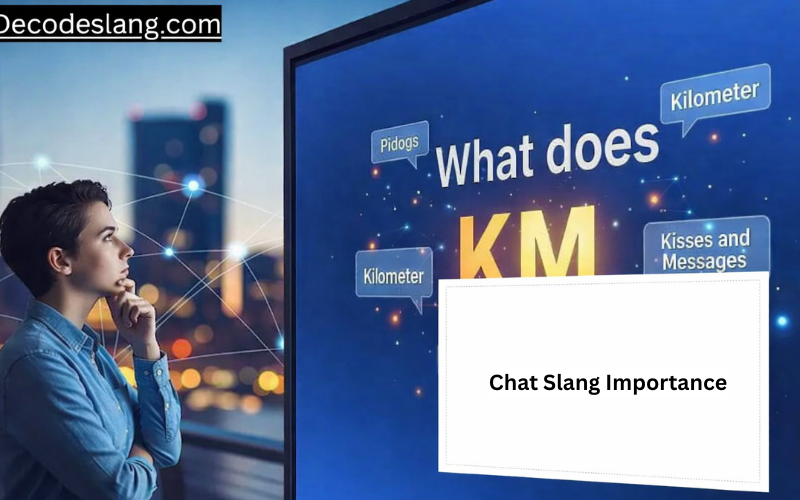
🌈 Chat Slang Importance

Chat slang is an important part of modern communication. It helps people connect quickly and express emotions easily.

When you learn slang, you understand conversations better. You don’t feel confused when someone uses short words like KM or LOL.

It also helps you reply faster. Instead of typing long sentences, you can use short forms to communicate quickly.

Another benefit is confidence. When you understand chat language, you feel more comfortable talking with friends online.

Slang also keeps communication fun. It adds emotion and personality to messages.

The km meaning in chat is just one example of how language is changing in the digital world.

Learning these small things can make a big difference in how you communicate every day.

📊 Summary Table 

TopicDetails 🌟
Meaning“Kill Me” (funny)
EmotionEmbarrassment
ToneCasual
UseFriends
AvoidFormal chats

This table gives you a quick overview. It helps you remember everything easily without reading the full explanation again.

Tables are useful because they organize information in a simple and clear way. You can quickly look at them and understand the key points.

The km meaning in chat becomes easier to remember when you see it summarized like this.

See Also: BBW Meaning in Chat: Simple Guide for Beginners

FAQs 

What does KM mean?

It means feeling embarrassed in a funny way.

Is KM serious?

No, it is not serious.

Can kids use it?

Yes, in casual chats only.

Is it safe?

Yes, if used correctly.

Does it have other meanings?

Yes, like kilometer.

Should I use it in school?

No, avoid it in formal communication.

Conclusion  

Great job! 🎉
You have learned everything step by step in a simple and fun way.

Now you understand how KM works, when to use it, and when to avoid it. You also learned about chat slang and how it makes communication faster and more enjoyable.

Always remember that language keeps changing, and learning new words helps you stay updated and confident.

Keep practicing, keep learning, and enjoy chatting with your friends! 😊